

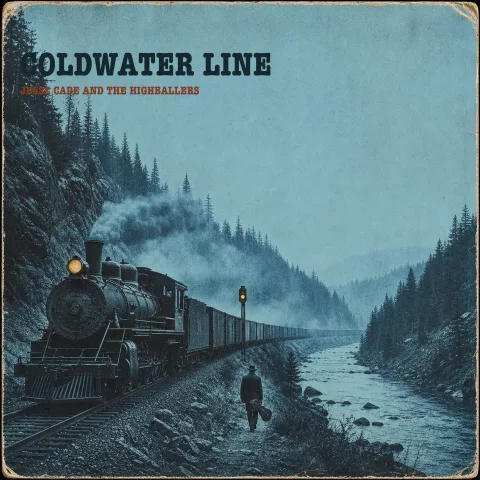
The Long Road to P.A.T.H.: Vietnam
Games sometimes acquire a neat origin story after the fact. There is a sketch on a napkin, a lightningbolt moment, or a weekend when everything suddenly clicked. P.A.T.H.: Vietnam does not h…
Open dispatch
History sets the mission. You choose what follows
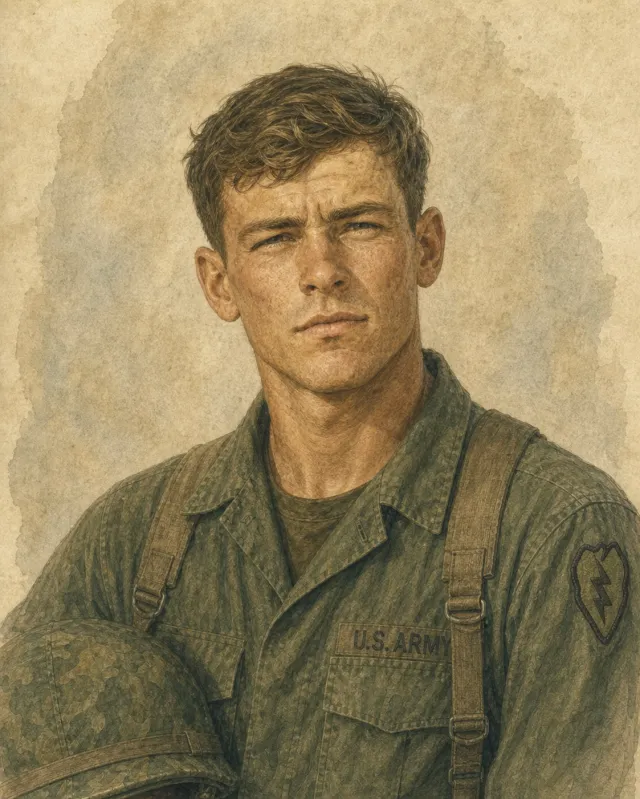
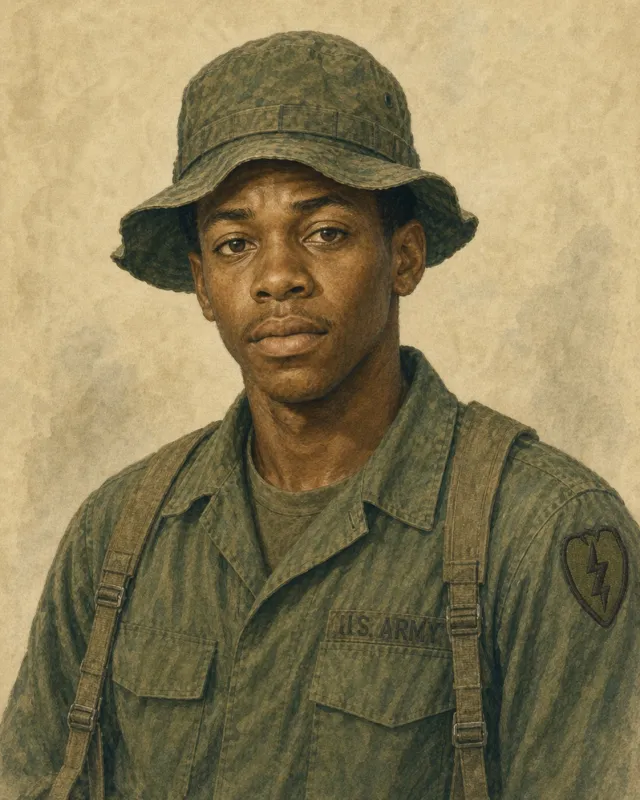
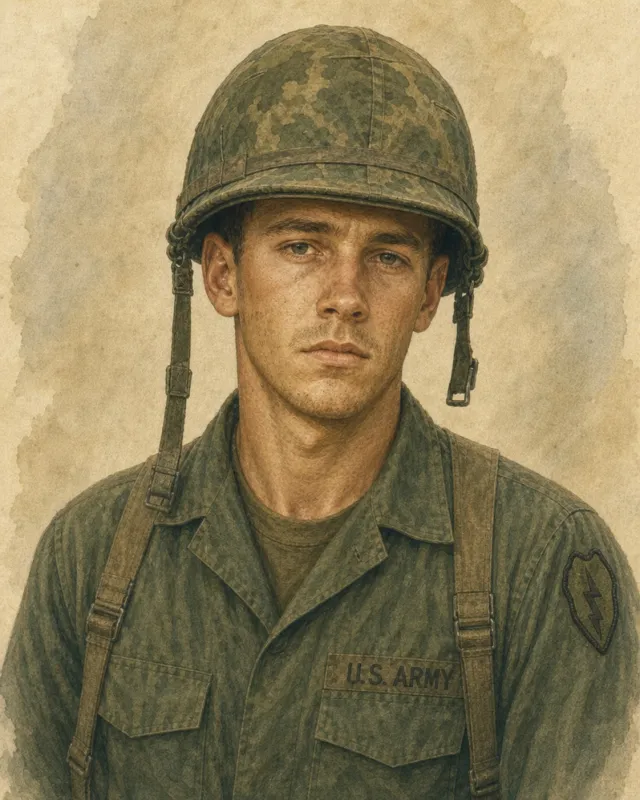
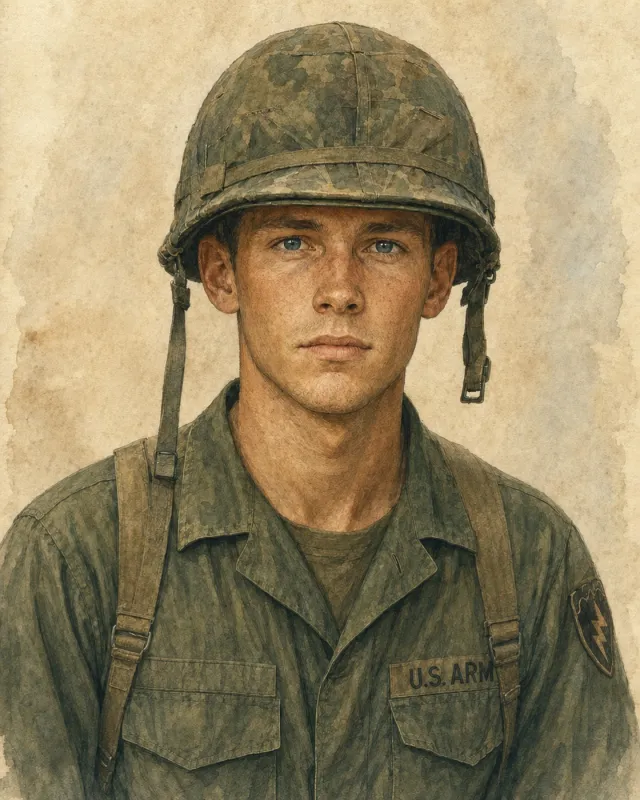
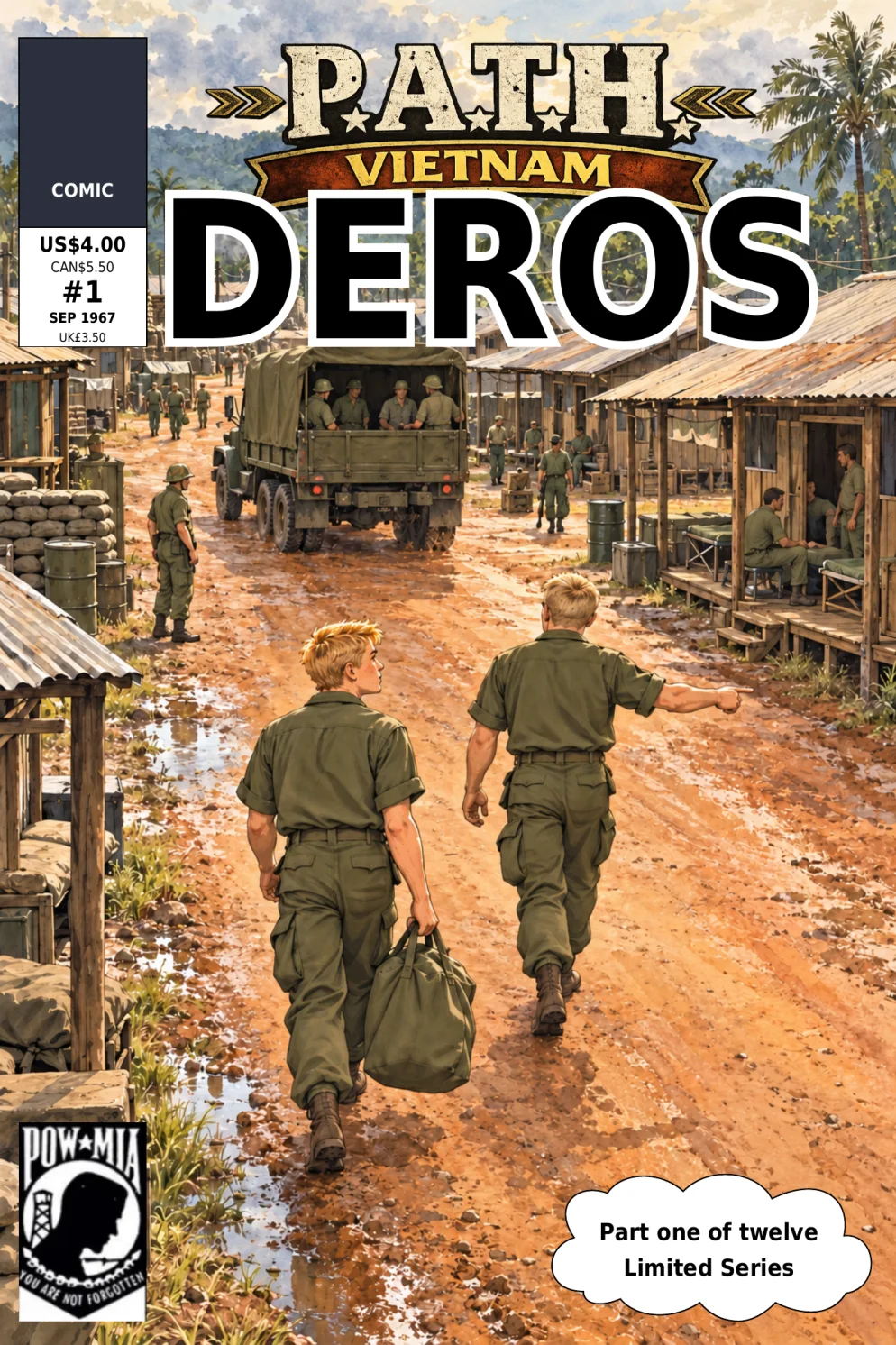
A narrative historical RPG about one soldier’s 366-day tour with Bravo Company of the Triple Deuce. Build the soldier, live four shifts at a time, and manage the men, your kit, pay, mail, health and the record you leave behind.
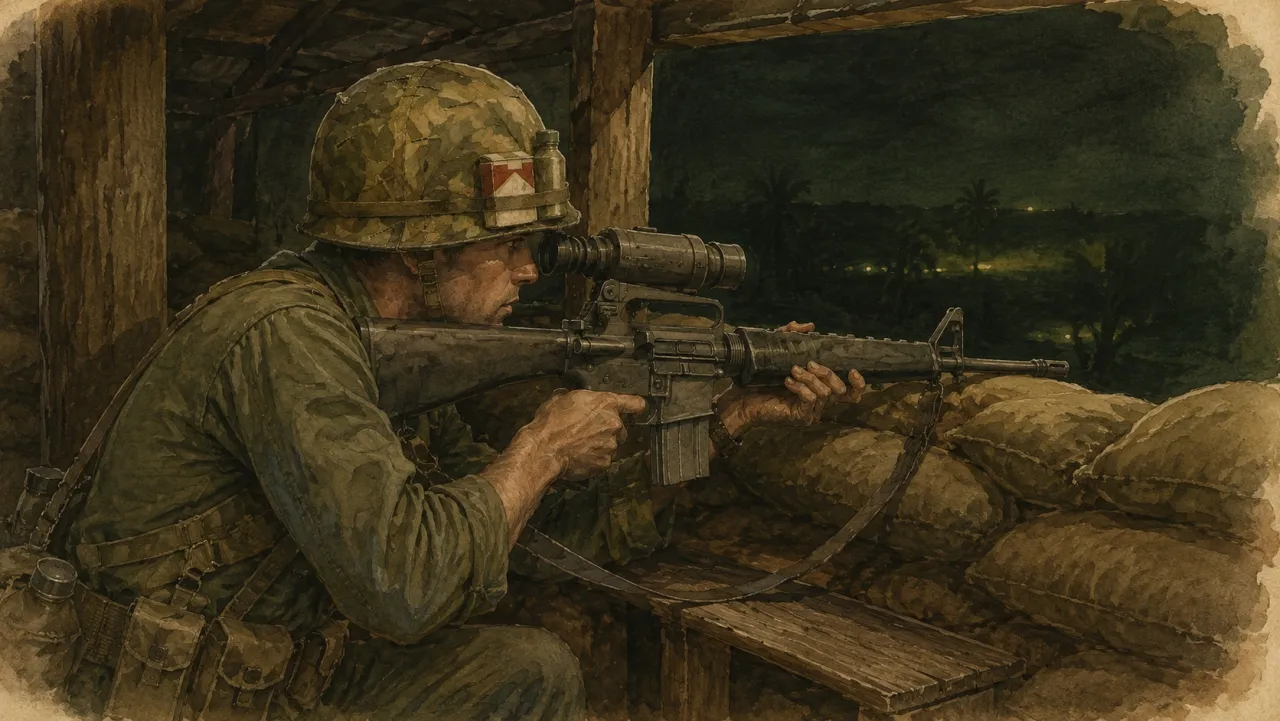
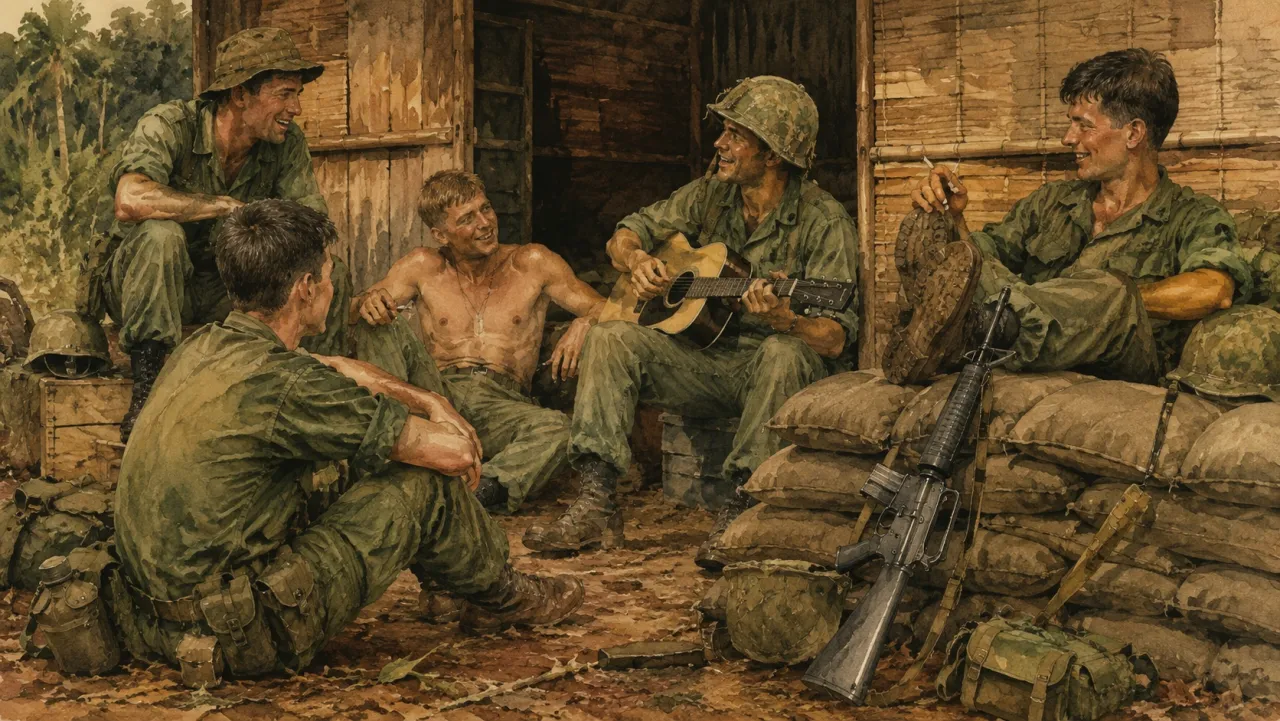
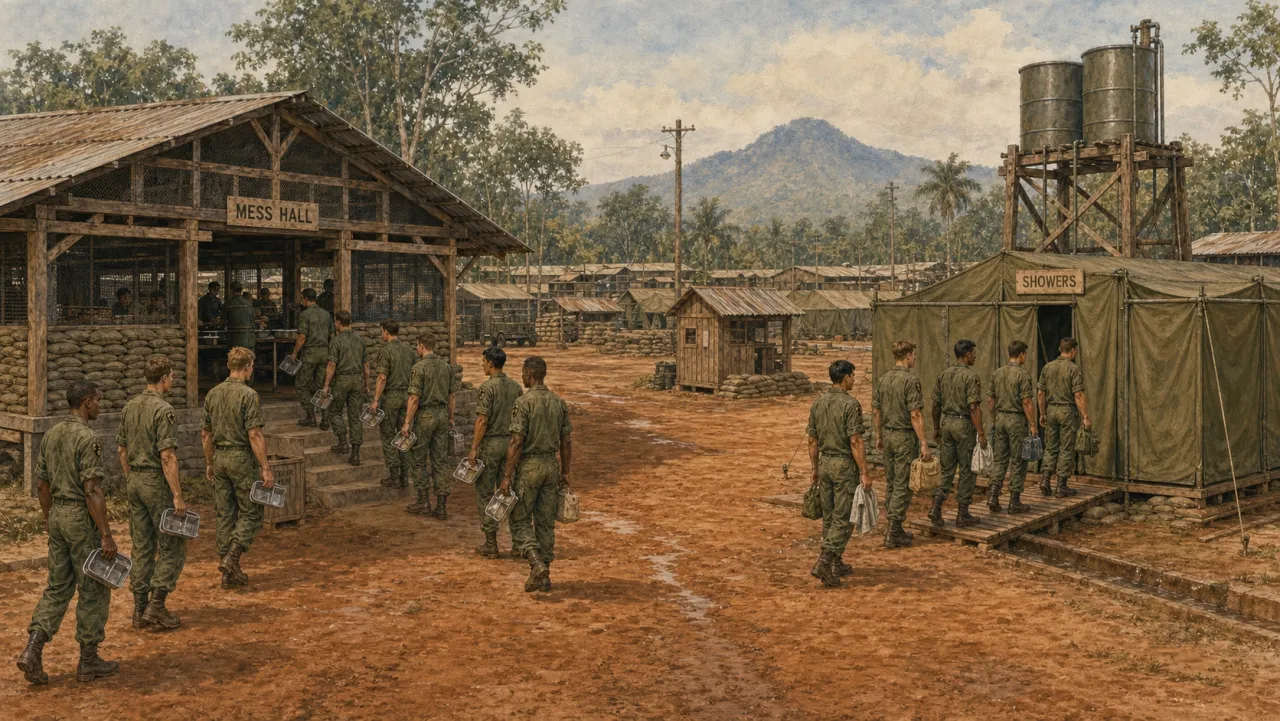
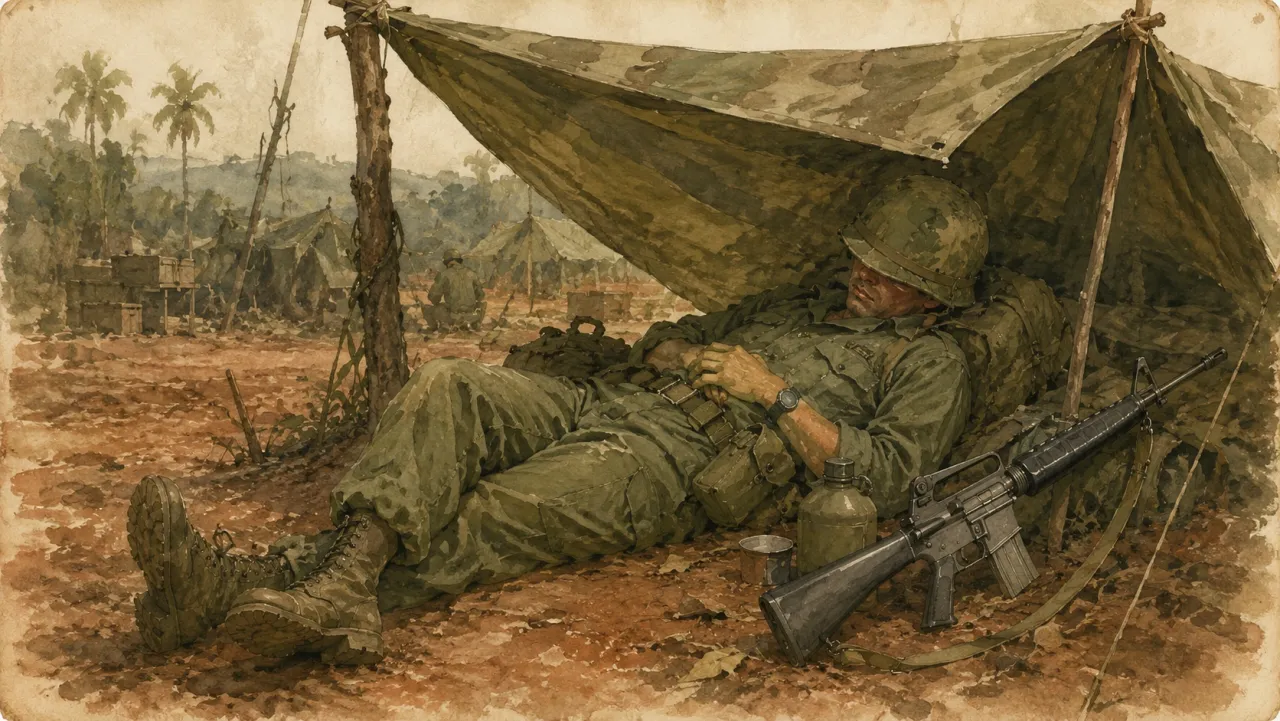
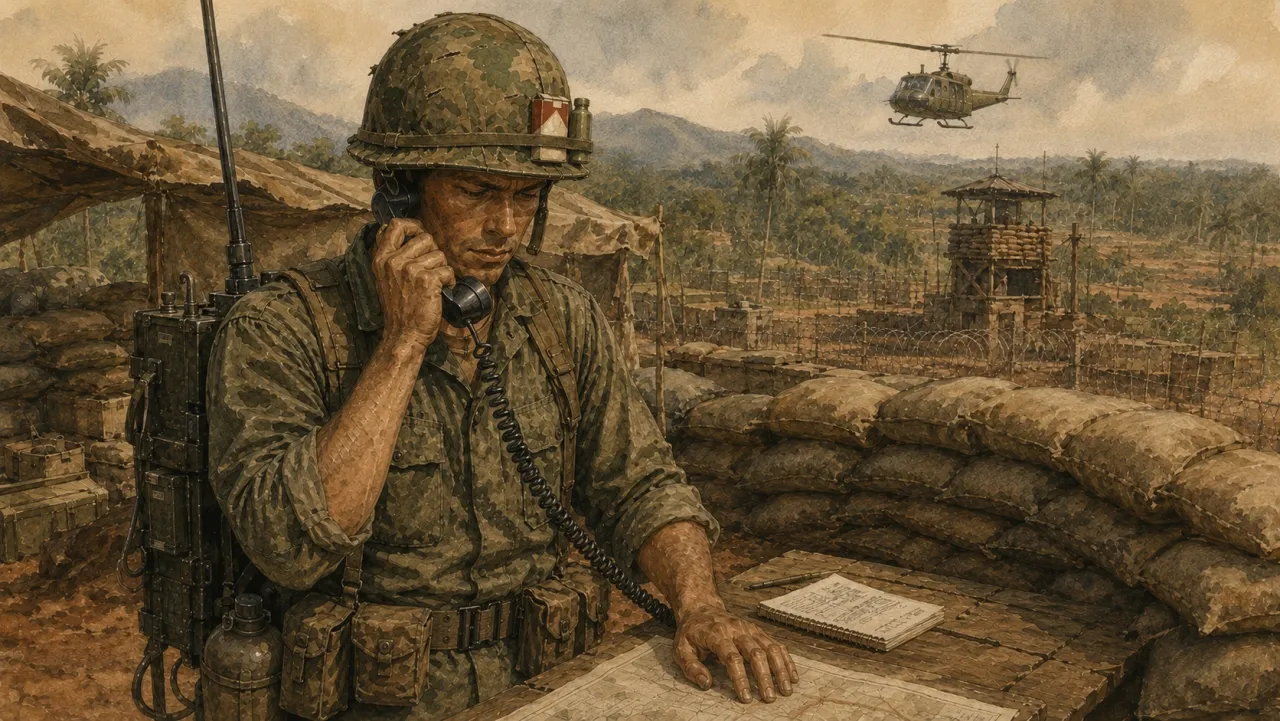
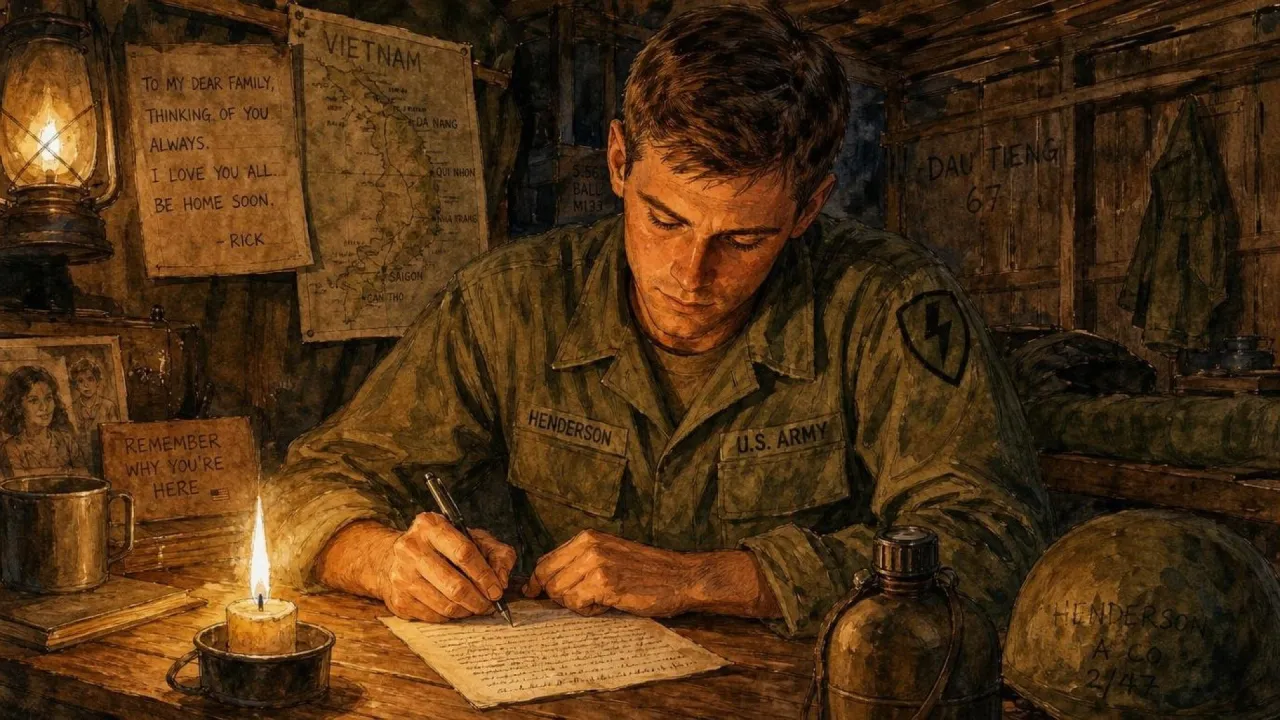
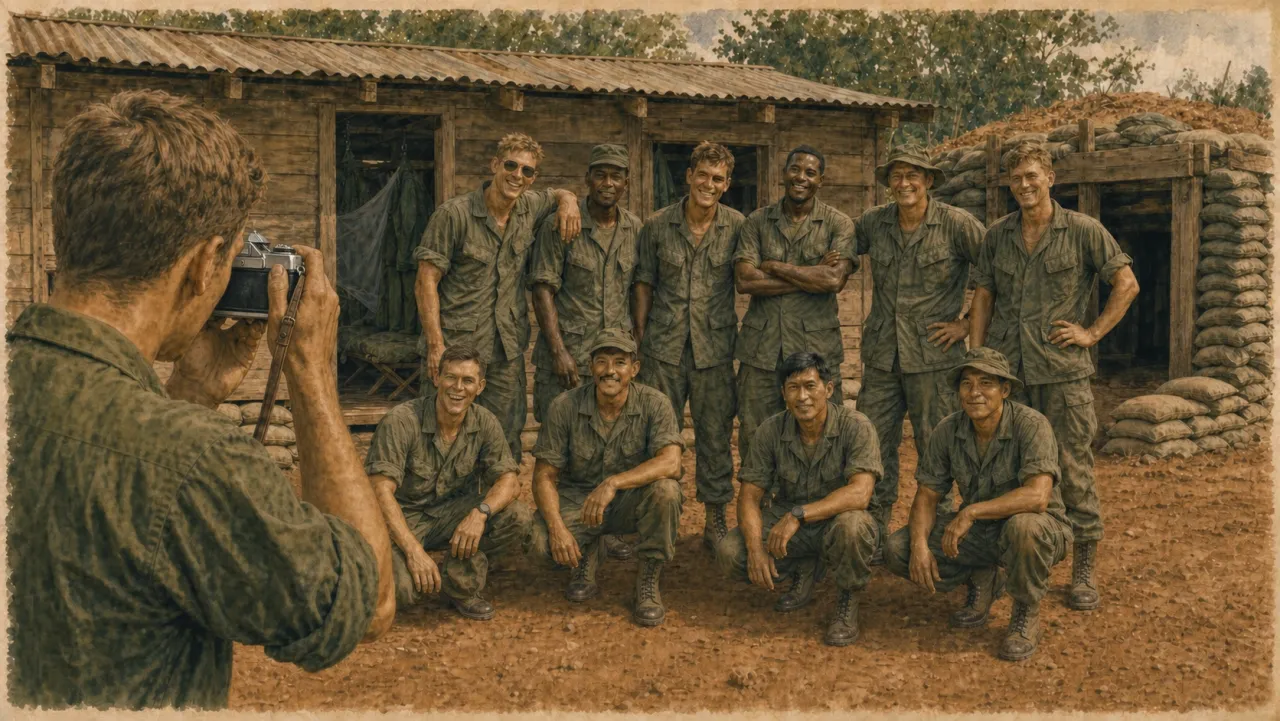
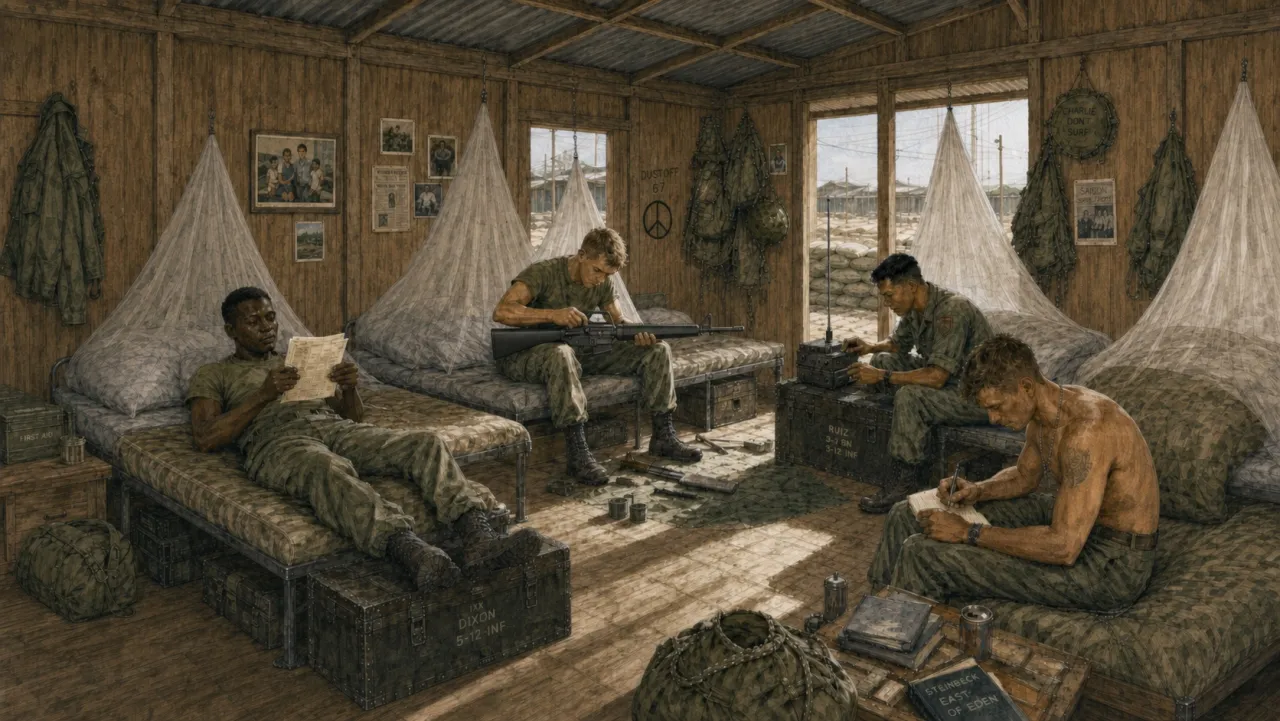
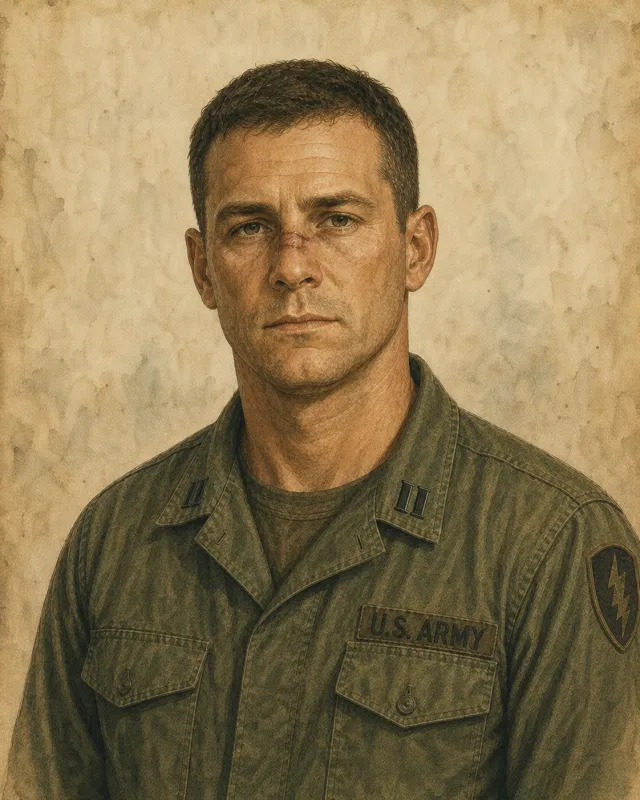
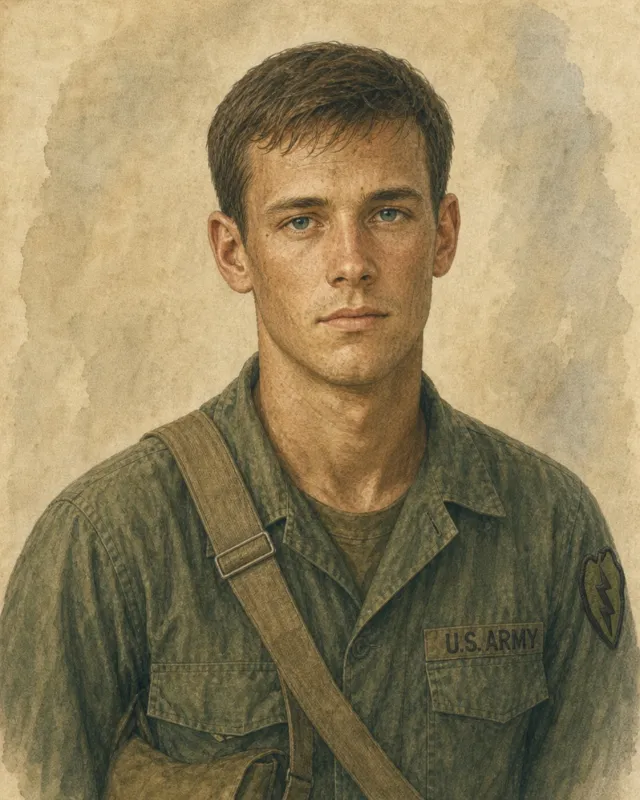
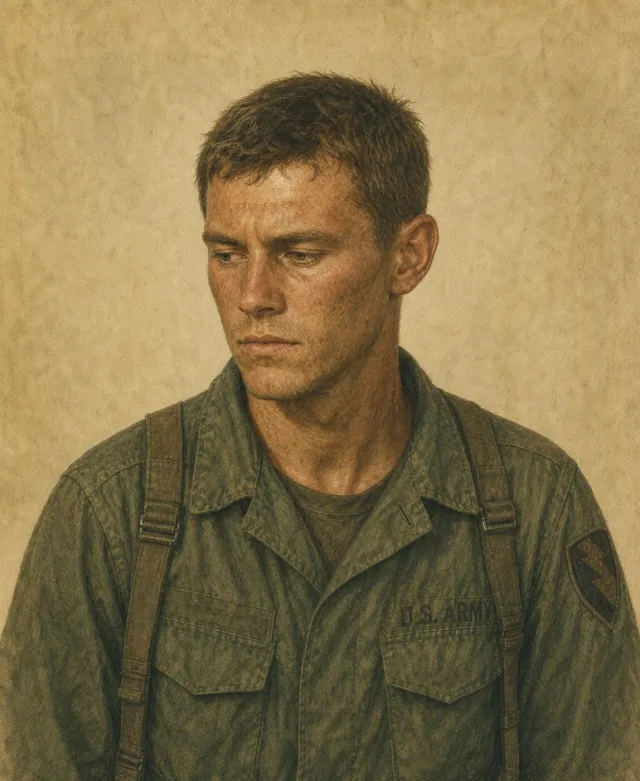
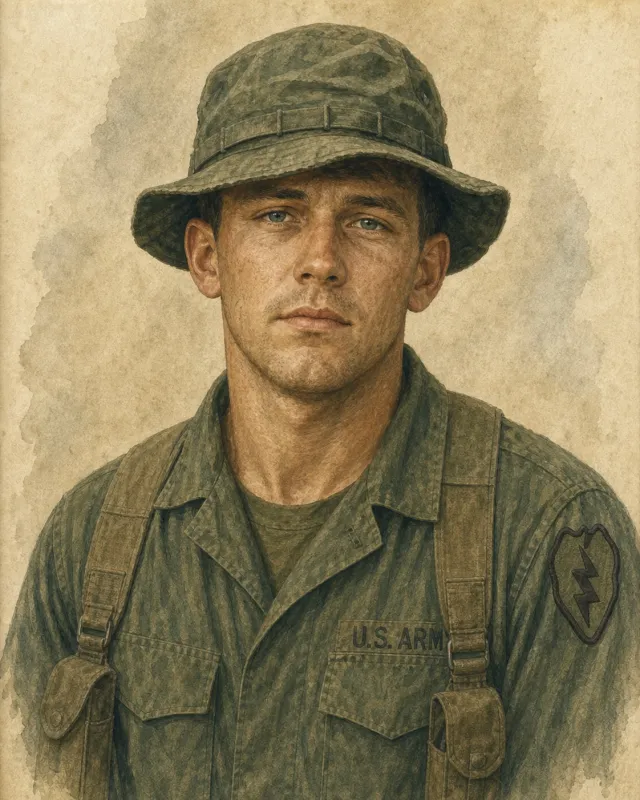
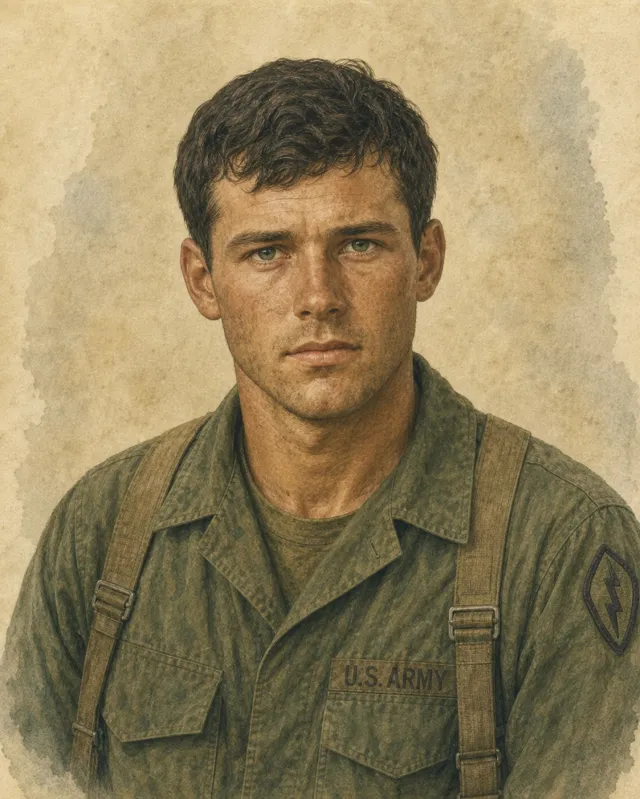
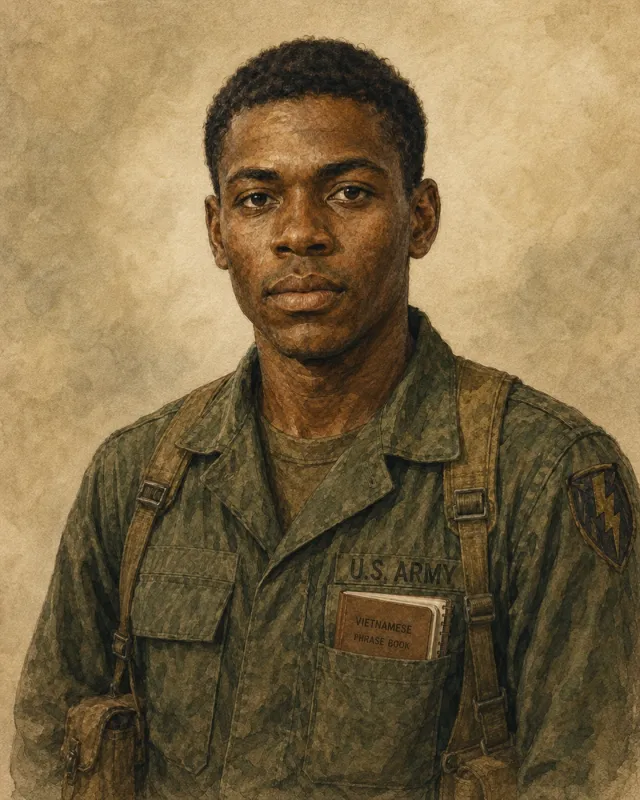
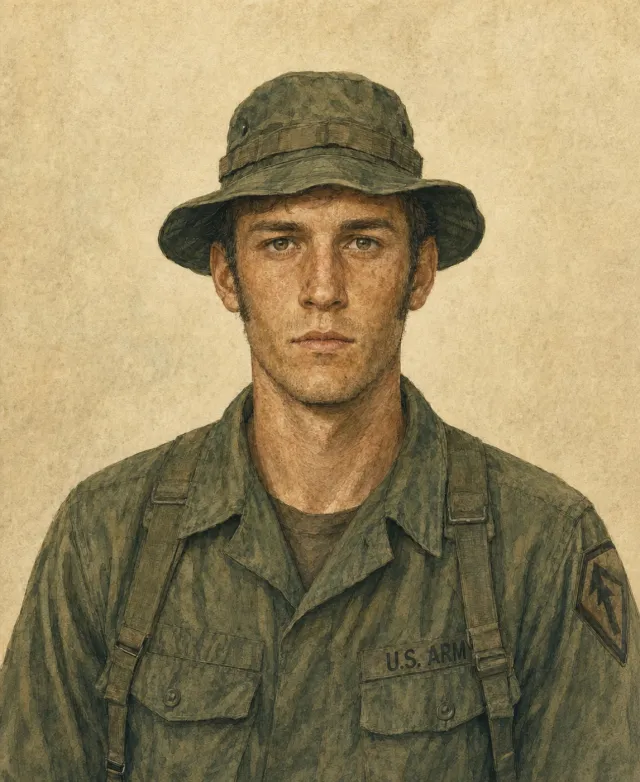
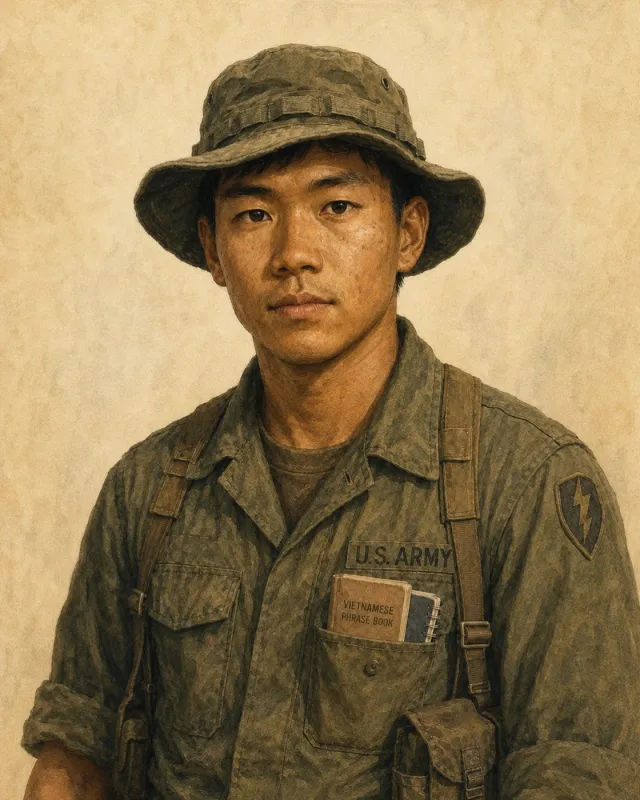
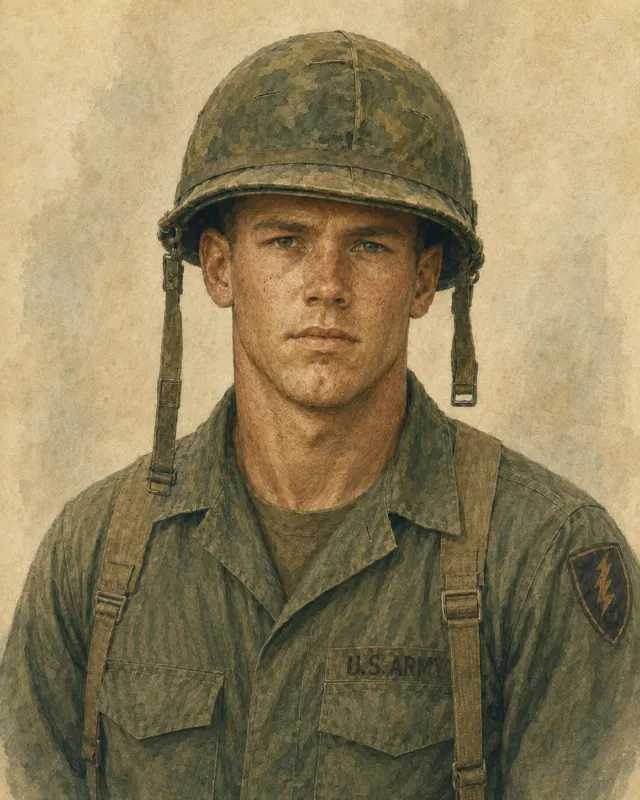
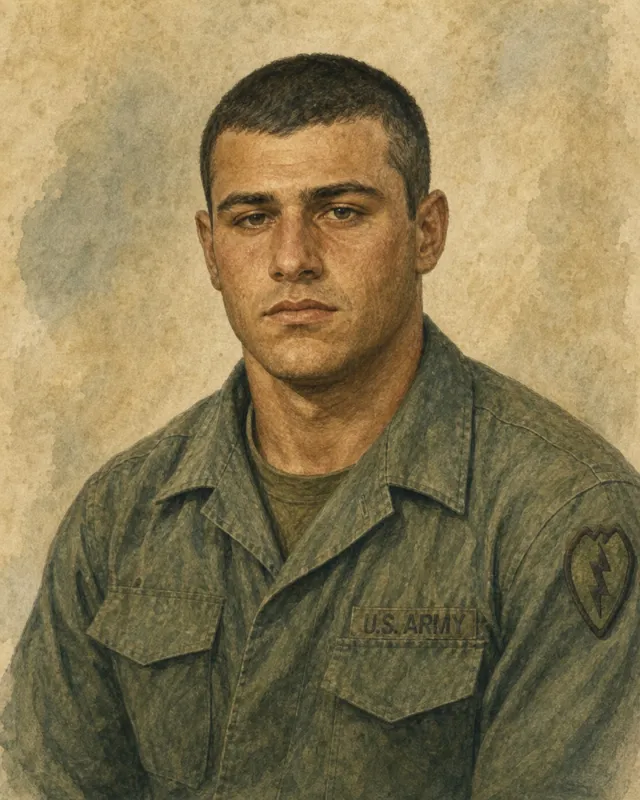
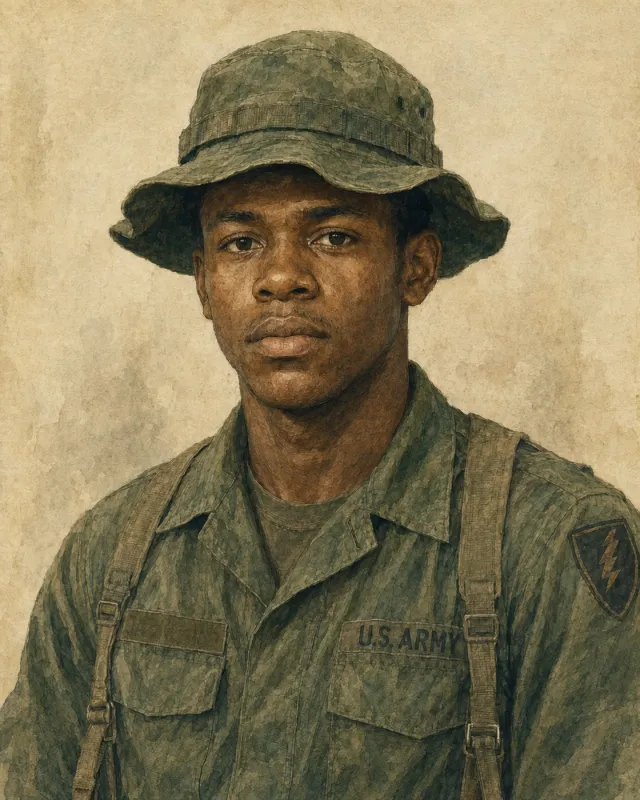
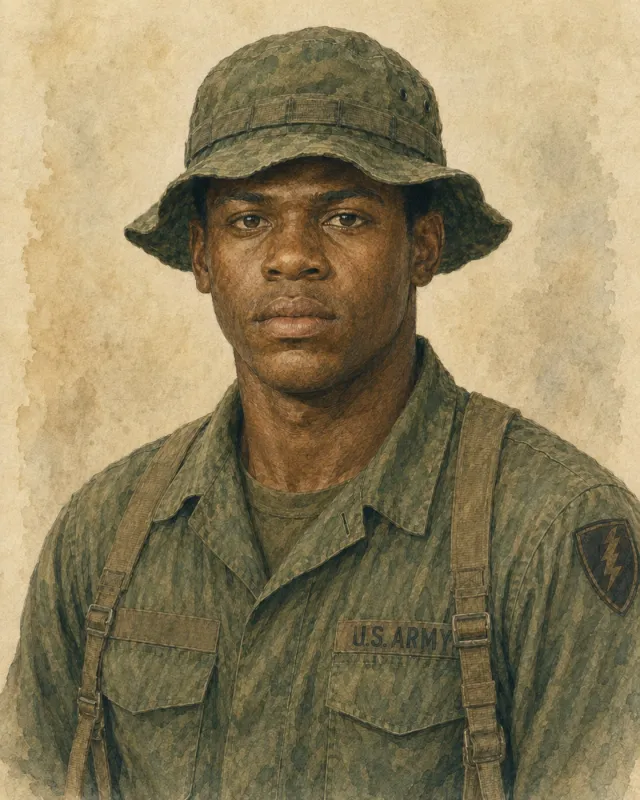
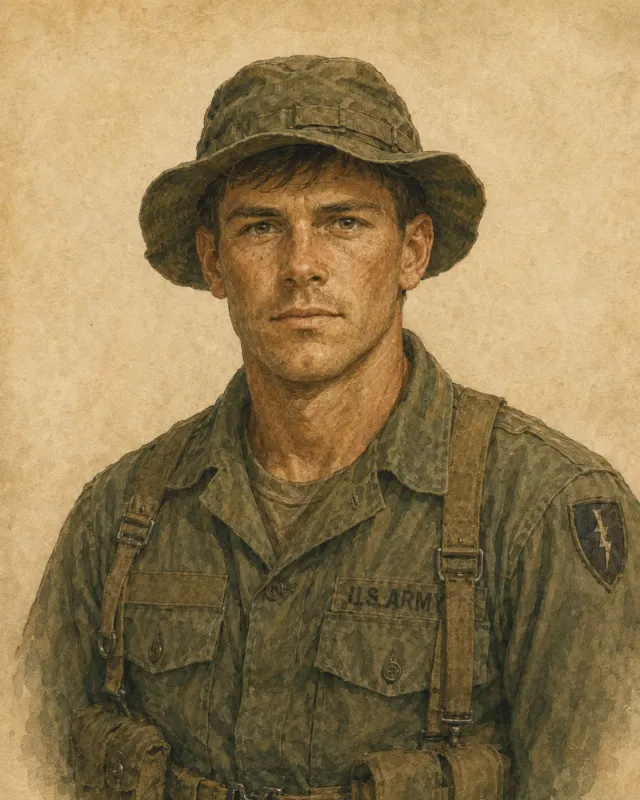
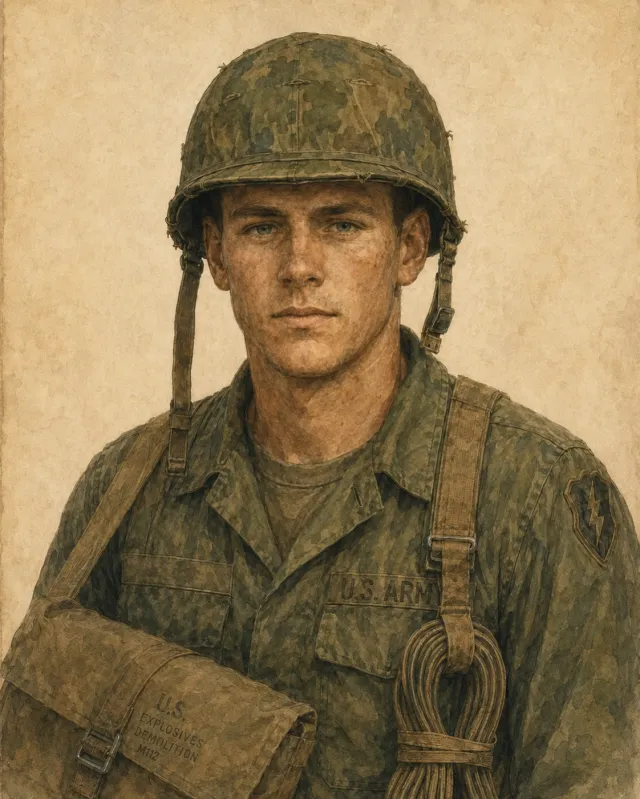
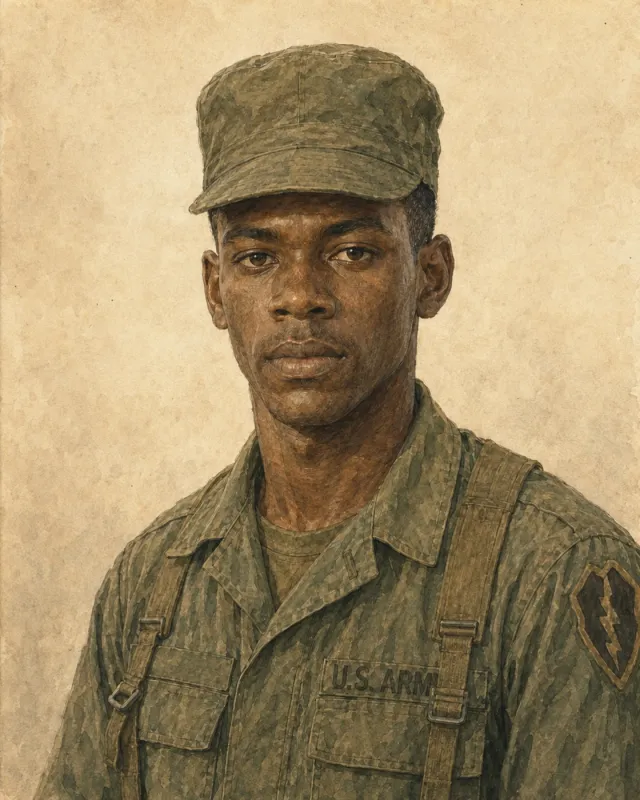
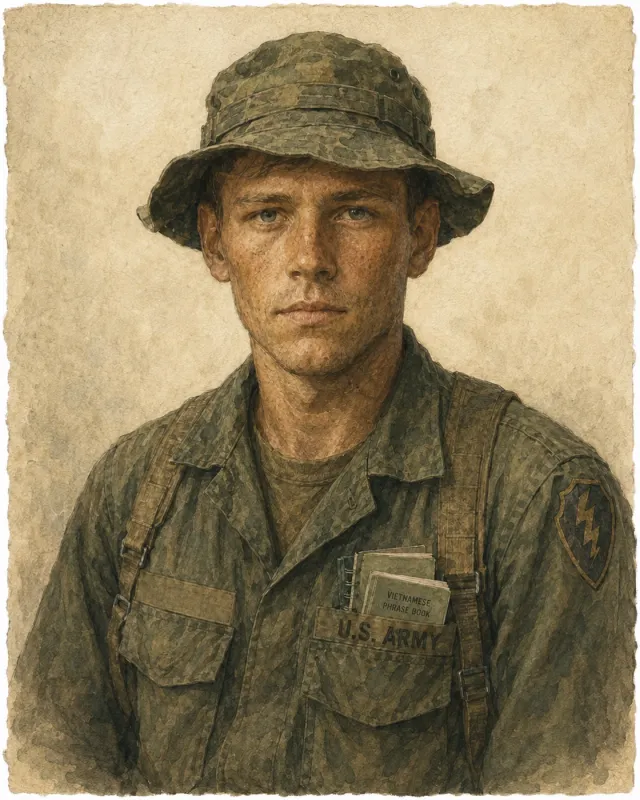
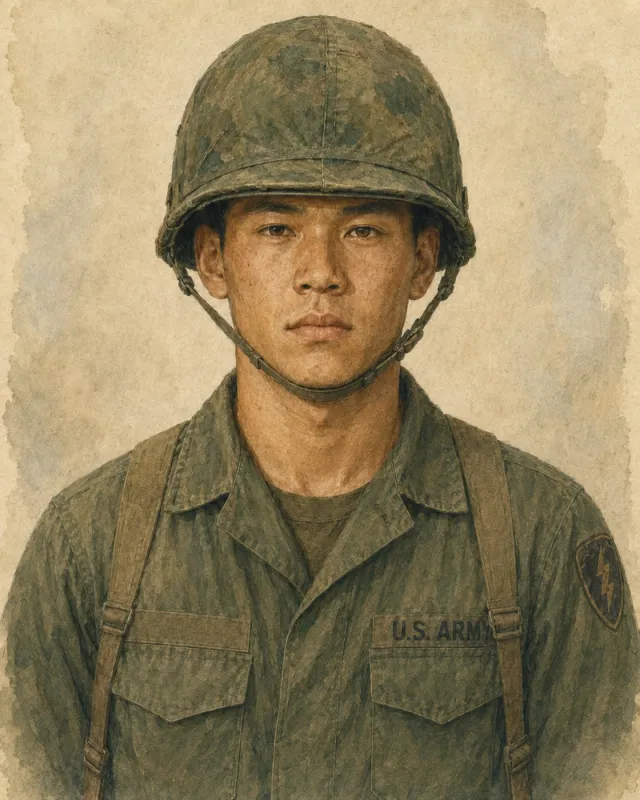
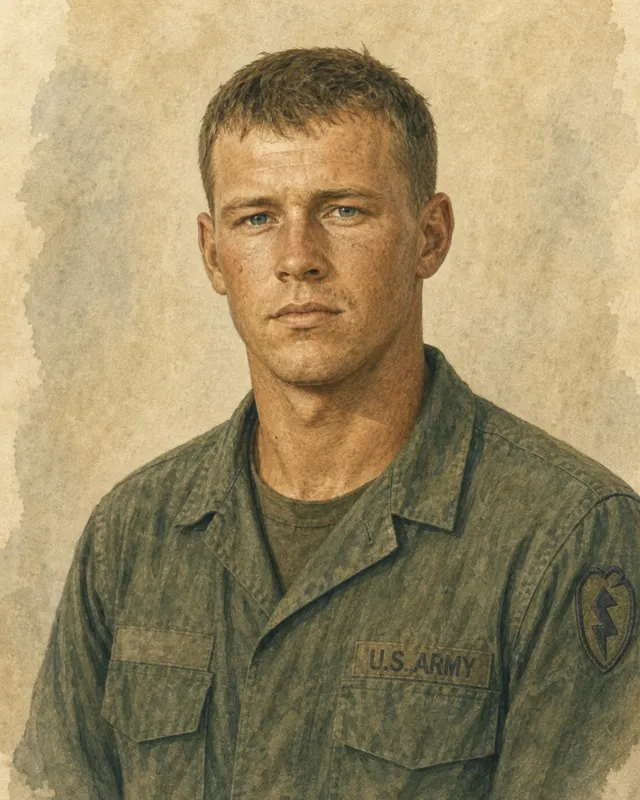
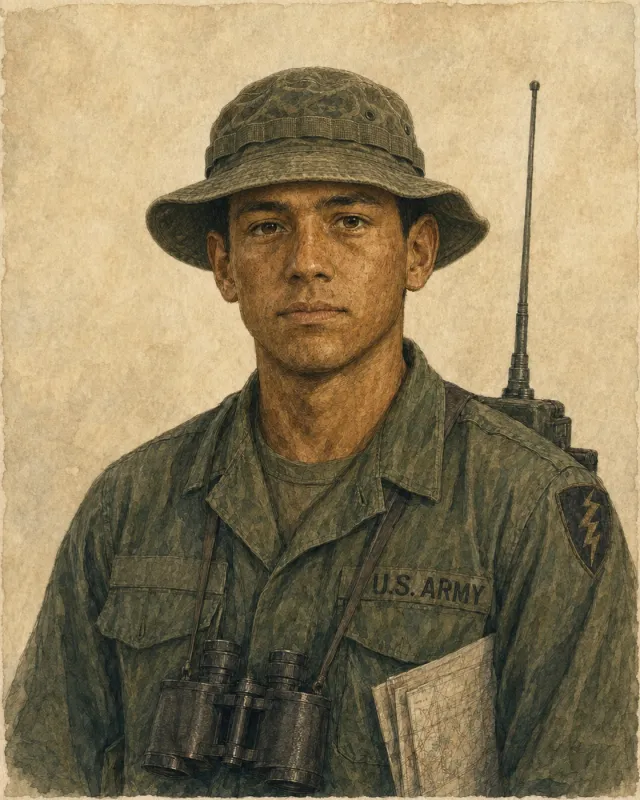
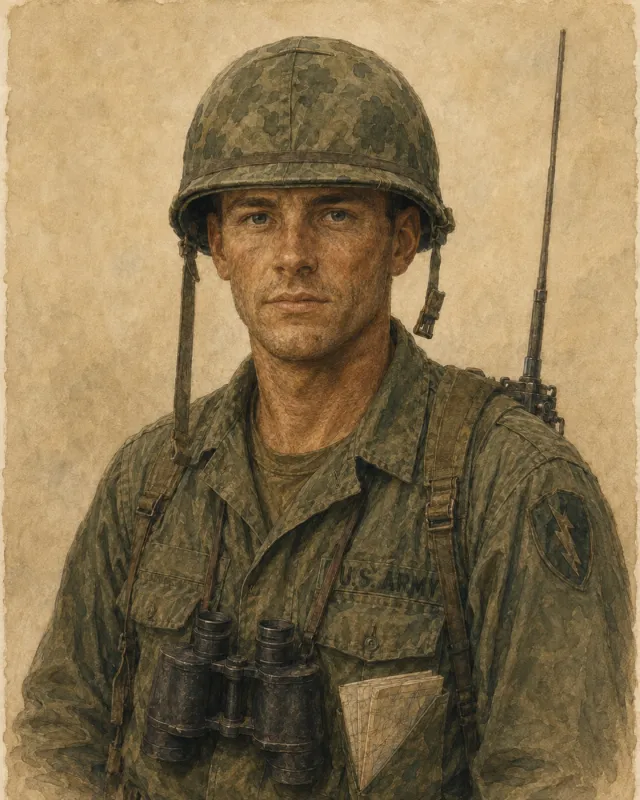
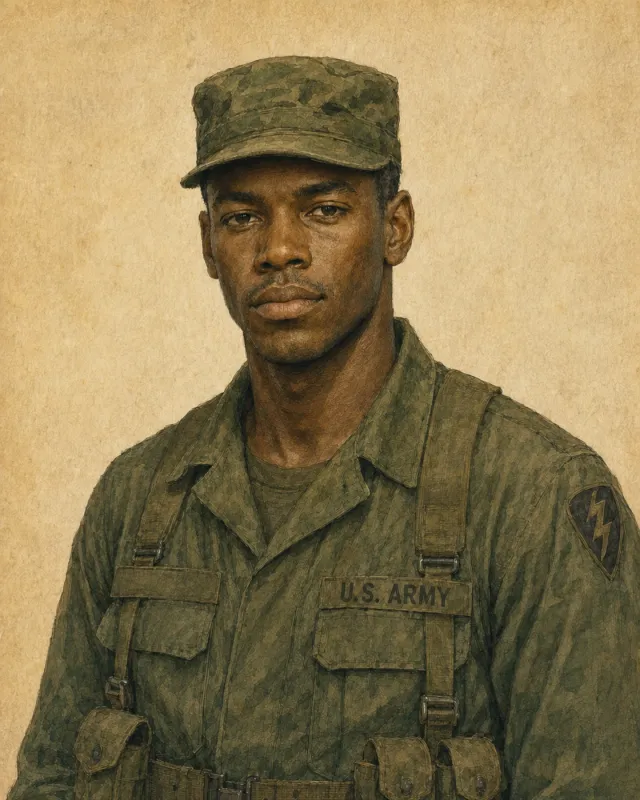
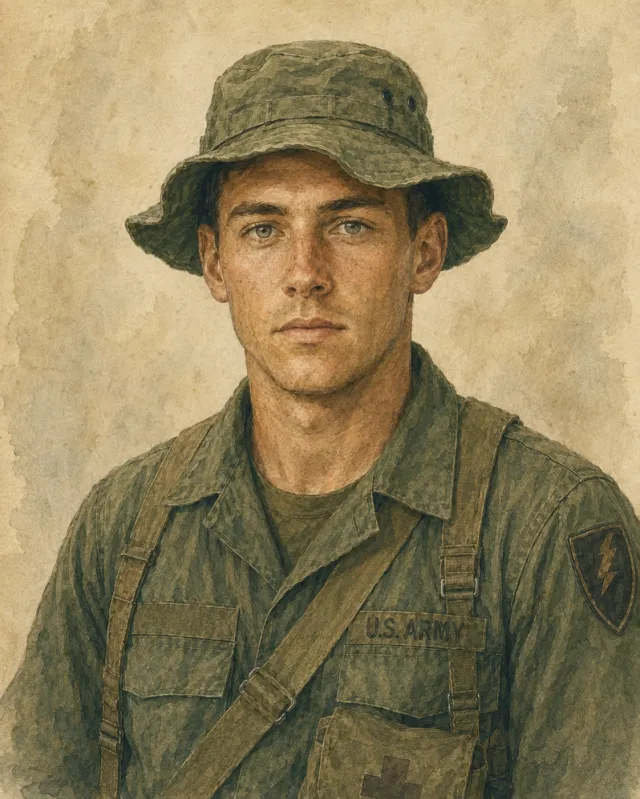
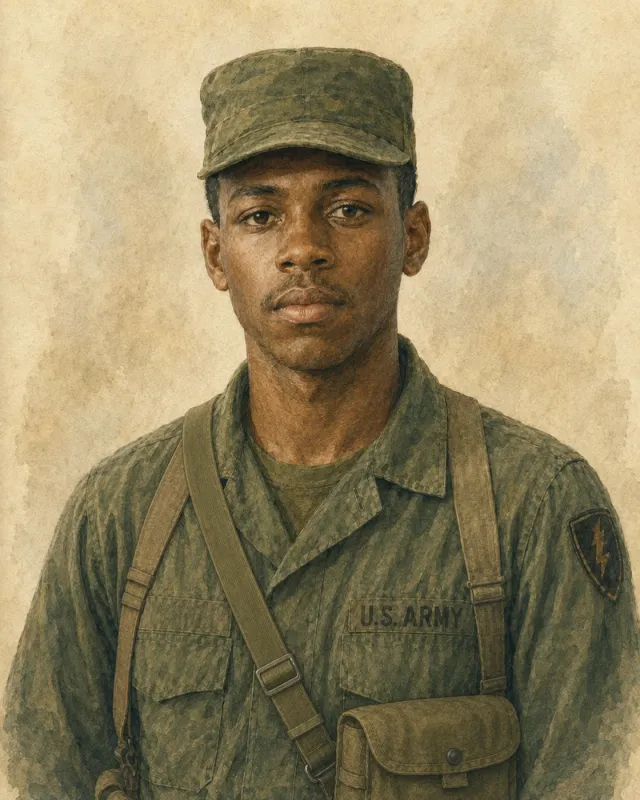
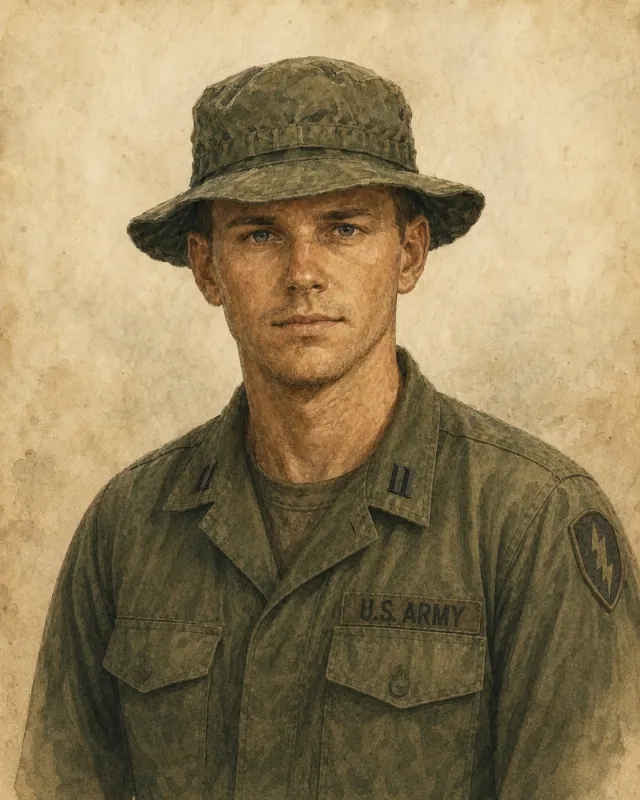
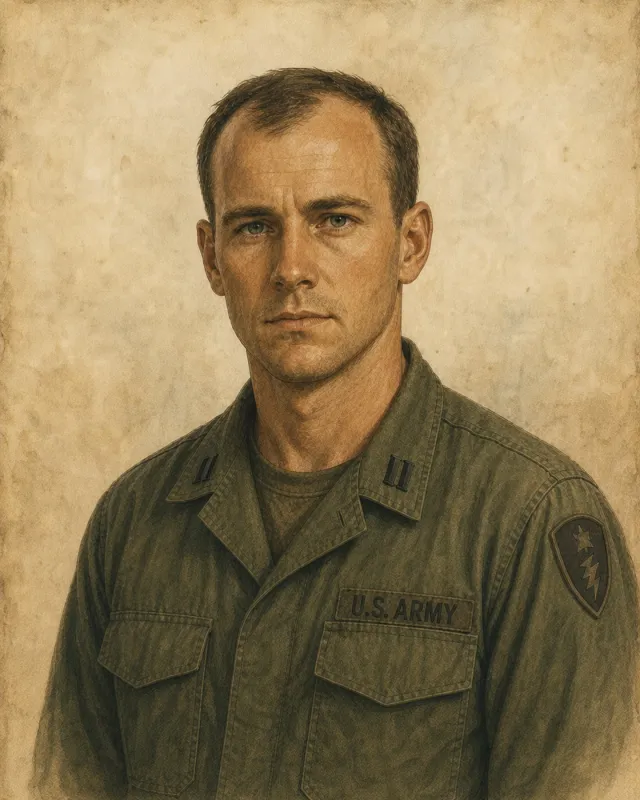
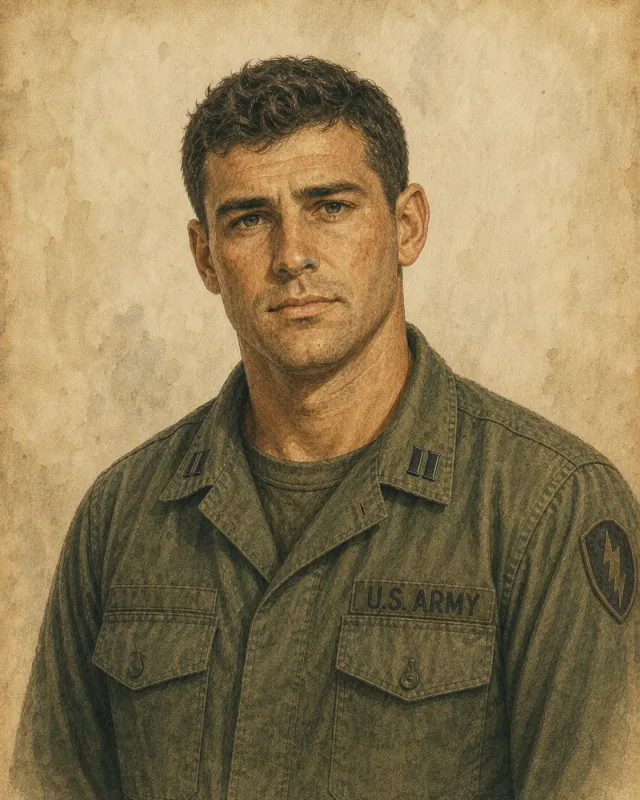
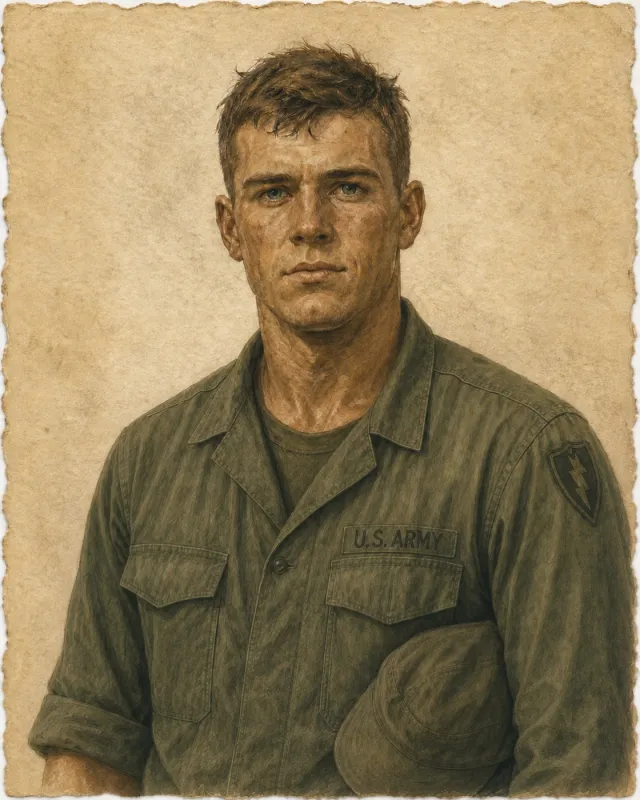
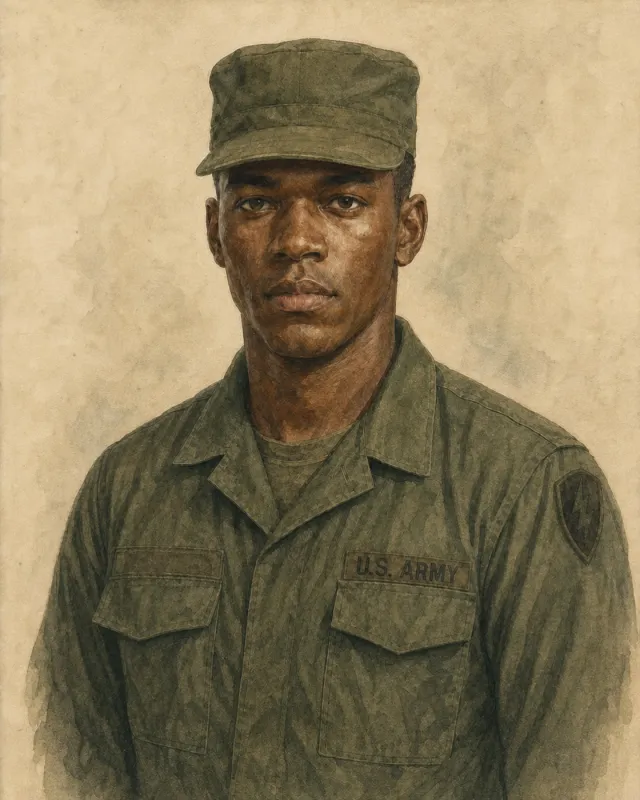
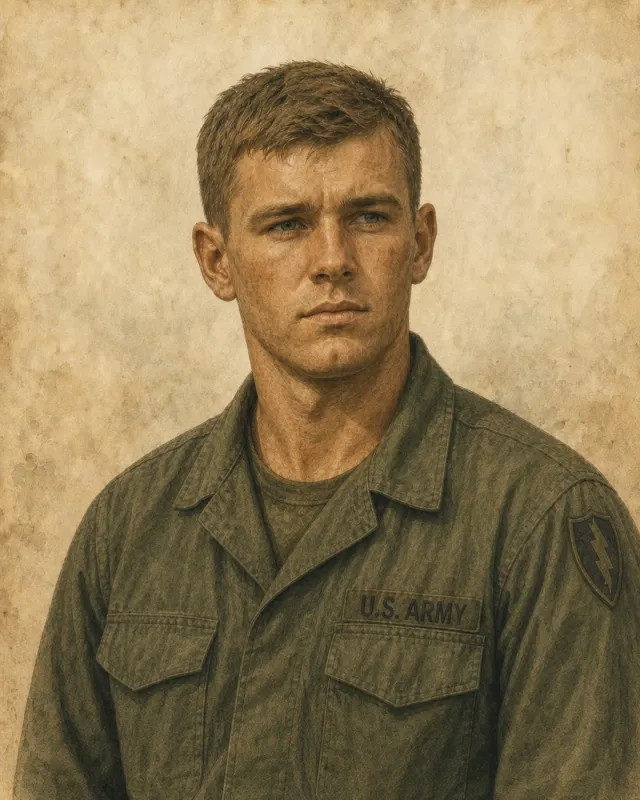
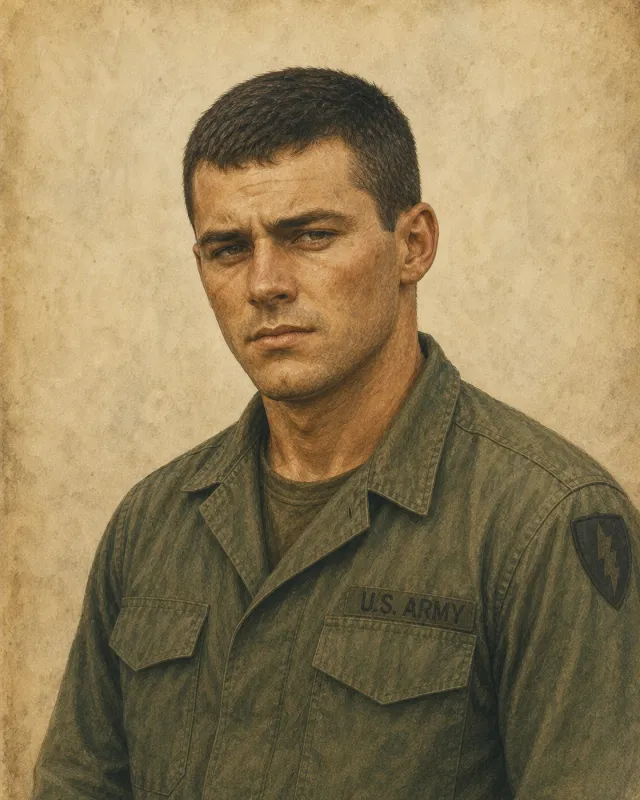
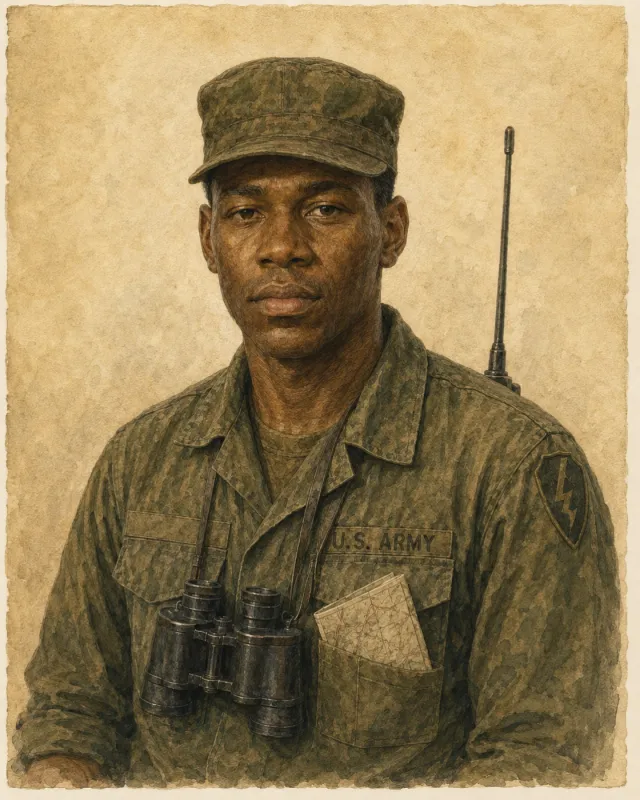
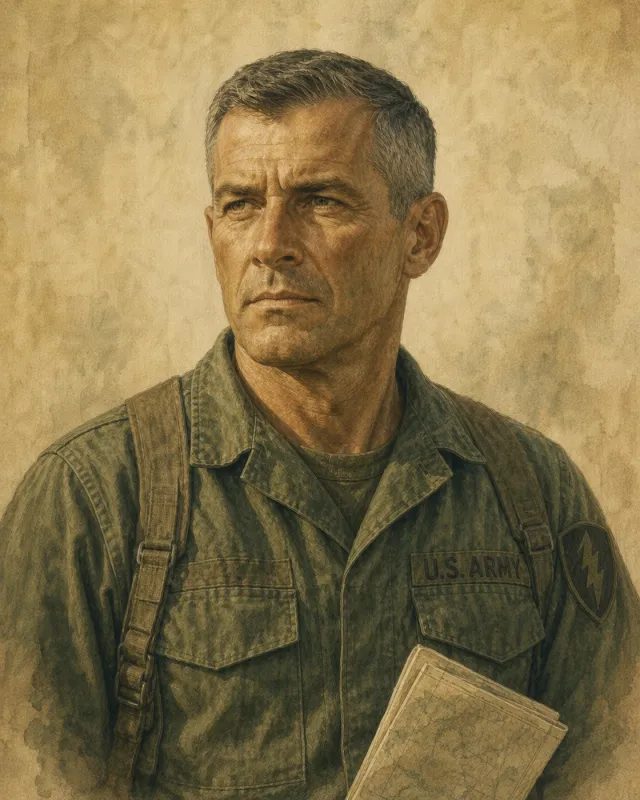
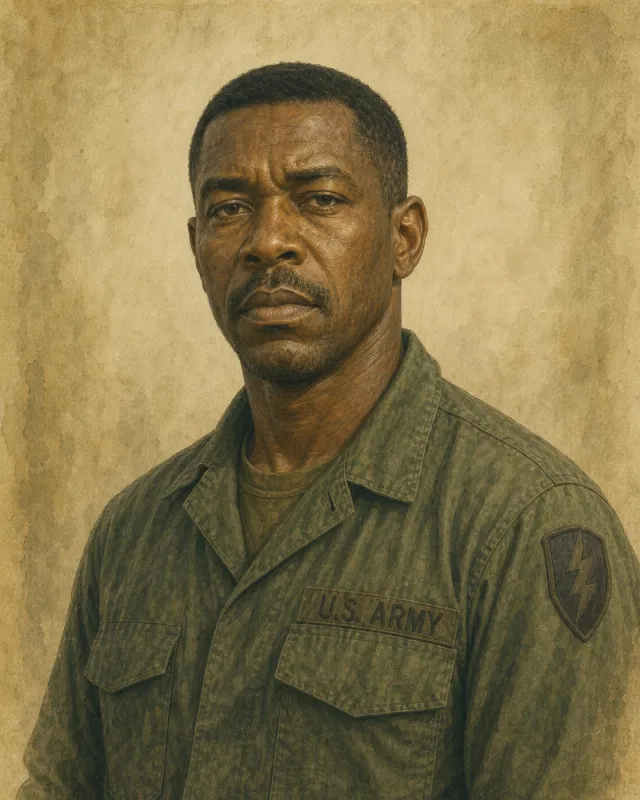
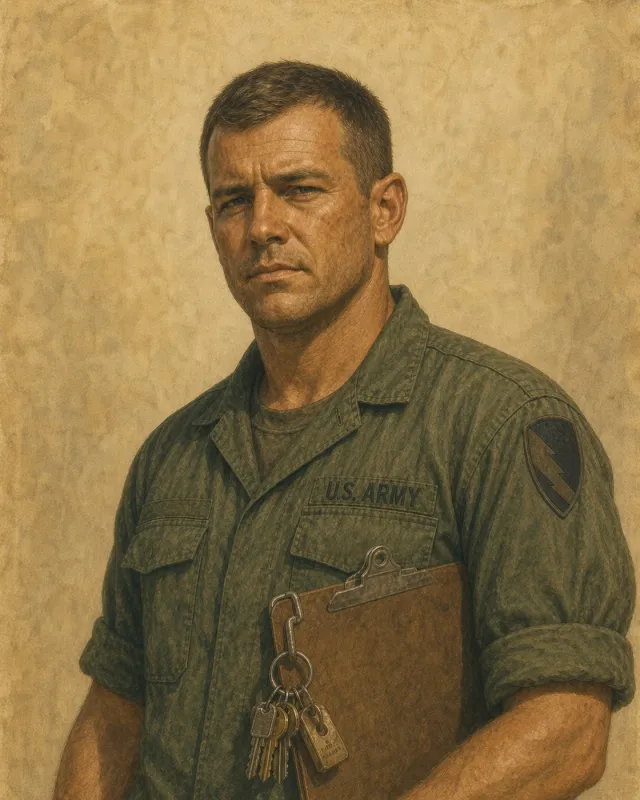
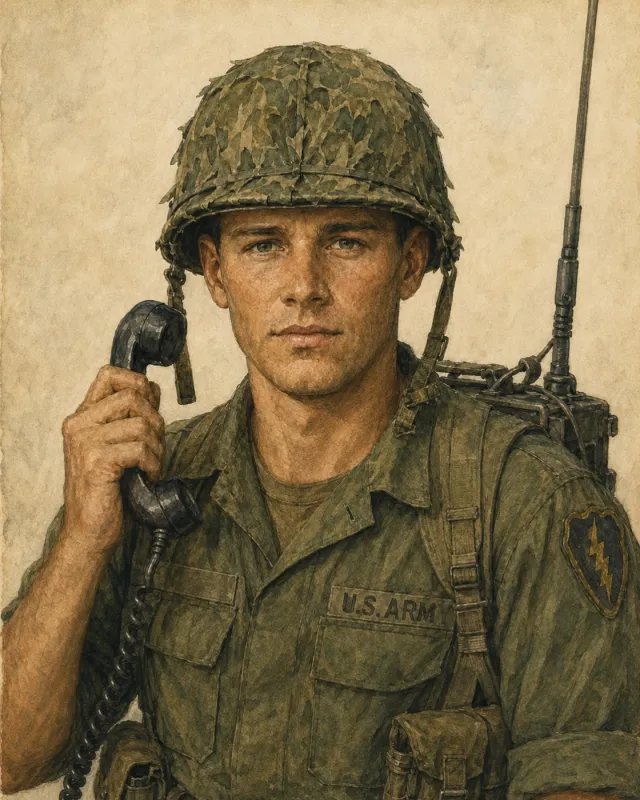
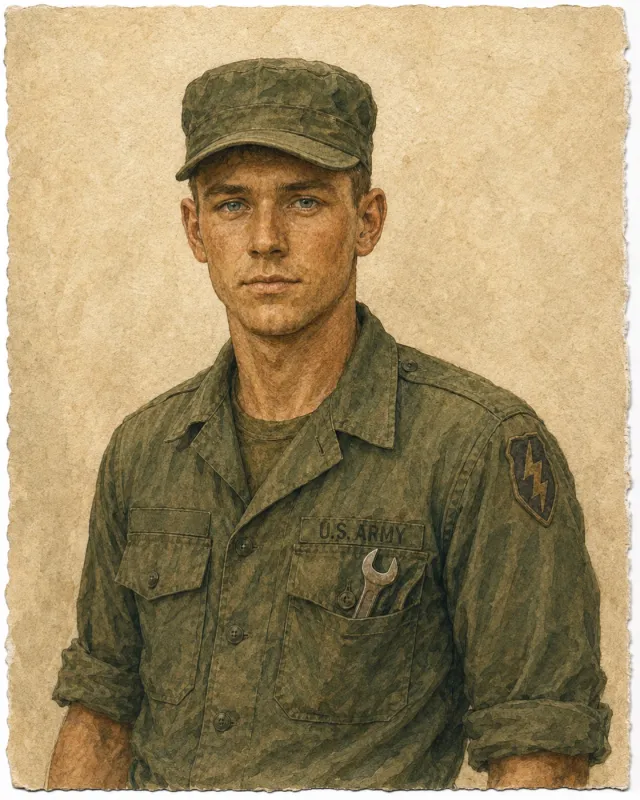
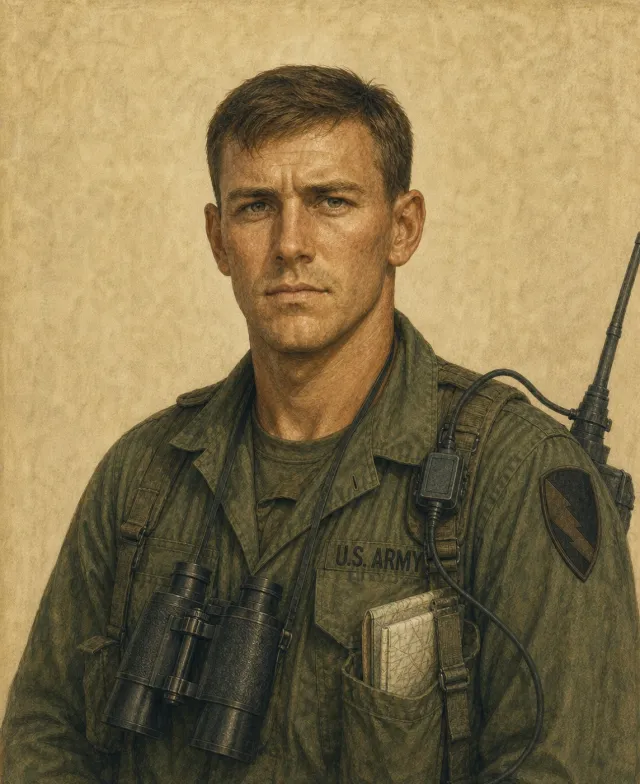
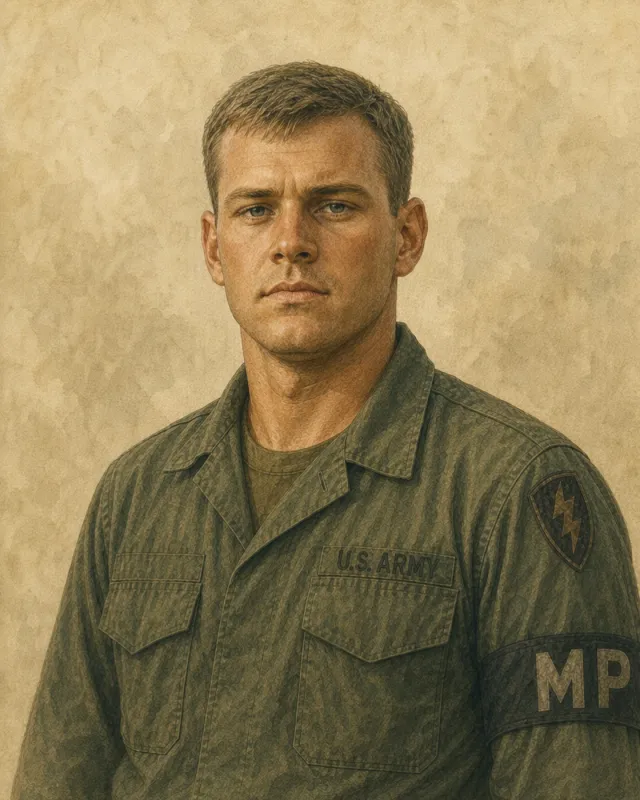
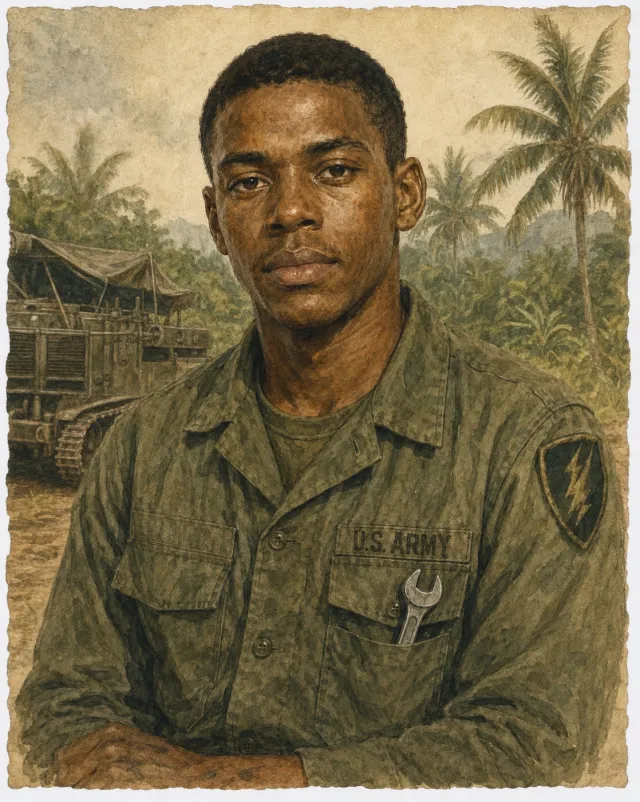
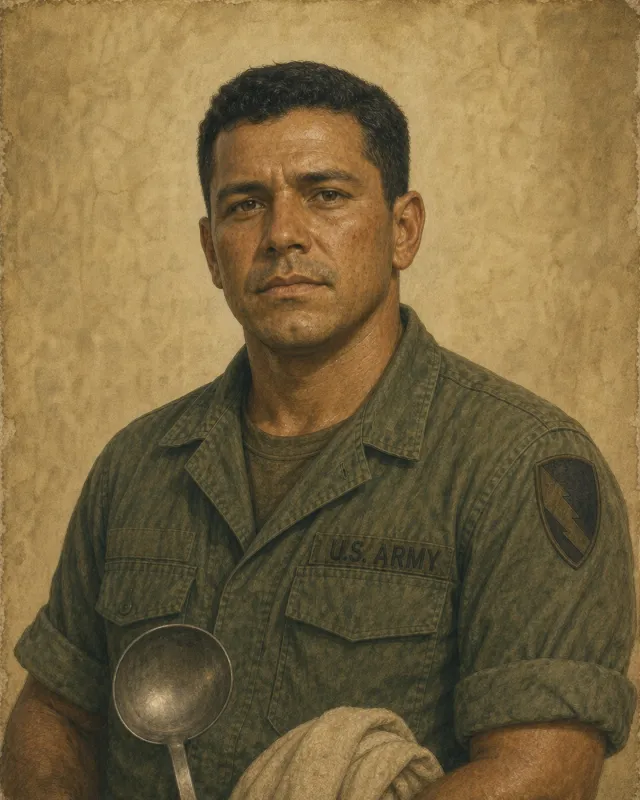
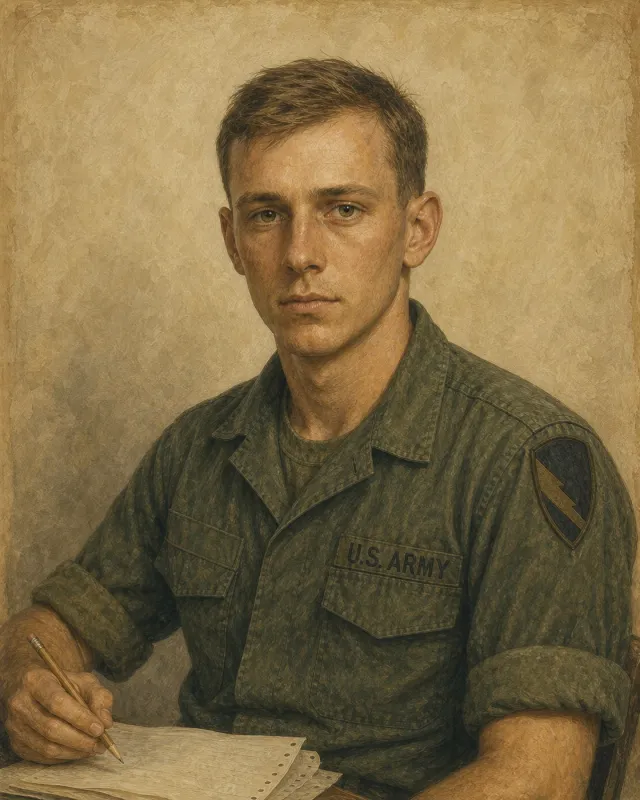
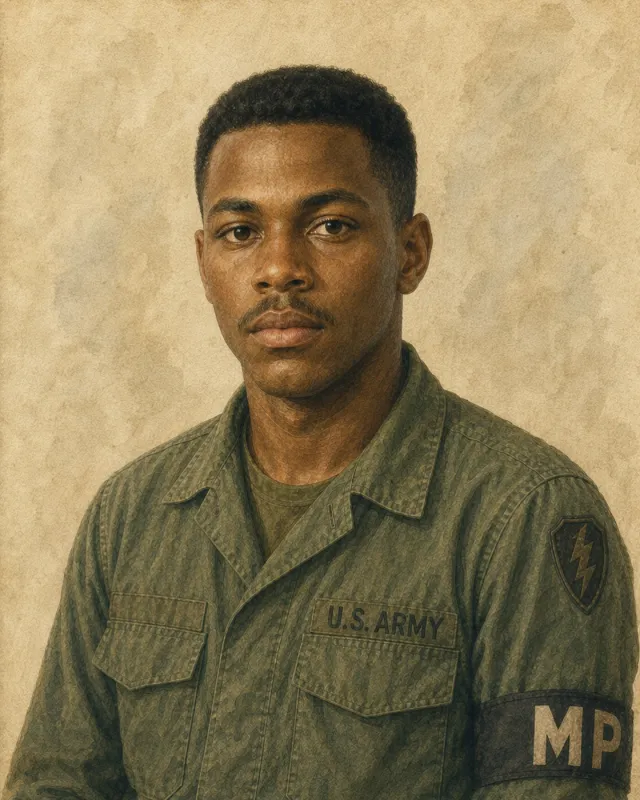
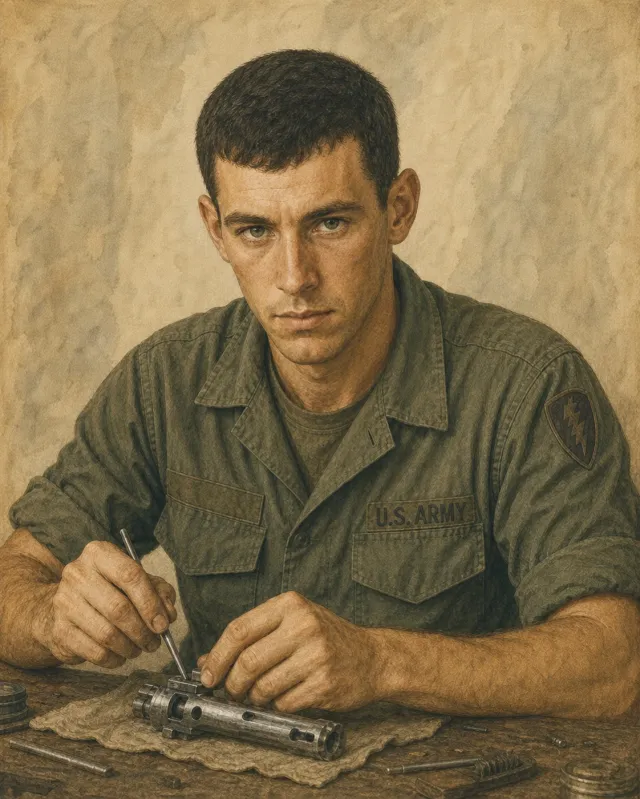
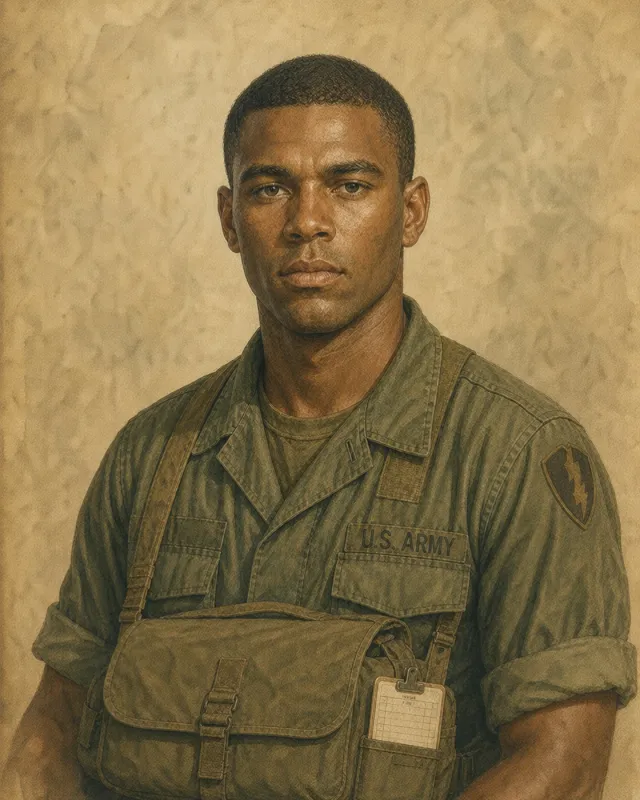
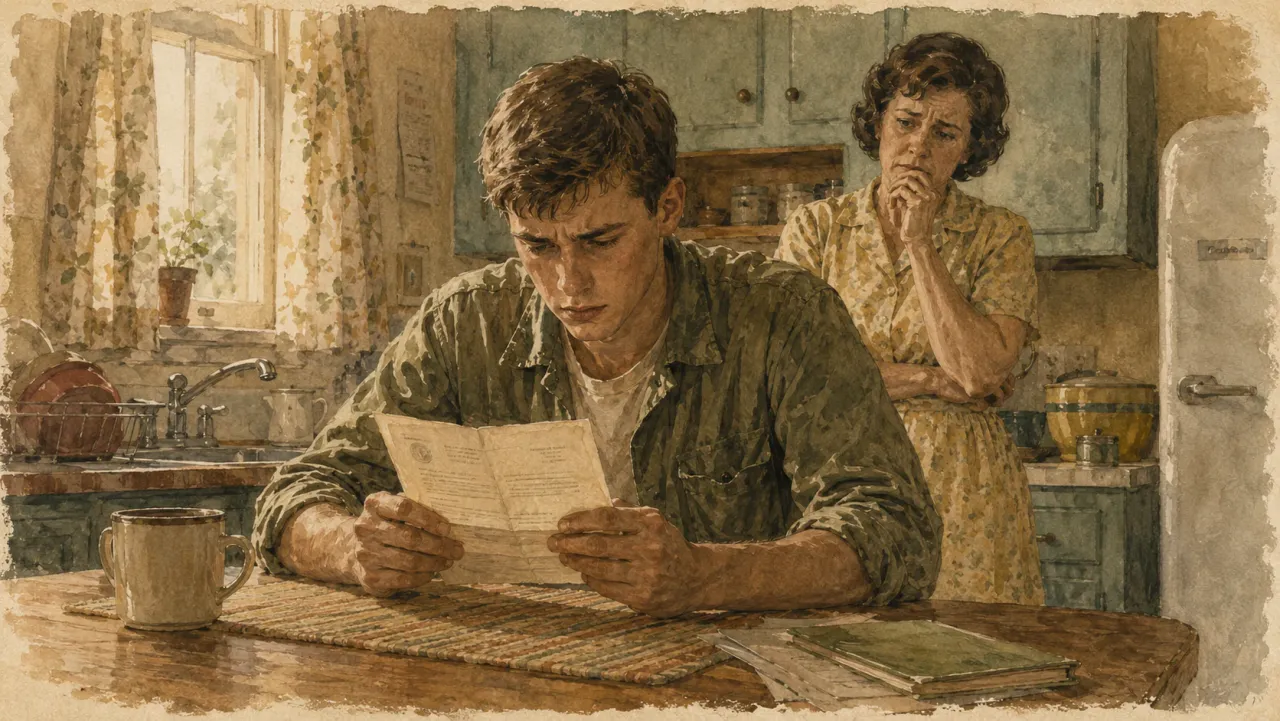
You live one soldier’s year: 1 August 1967 to 1 August 1968, an individual replacement in Bravo Company, 2nd Battalion (Mechanized), 22nd Infantry — the Triple Deuce — 3rd Brigade, 25th Infantry Division, out of Dau Tieng Base Camp. It is not a shooter. It is a life: the long boredom and the sudden terror, the mail from home, and the small choices that turn out not to be small at all.
About the game
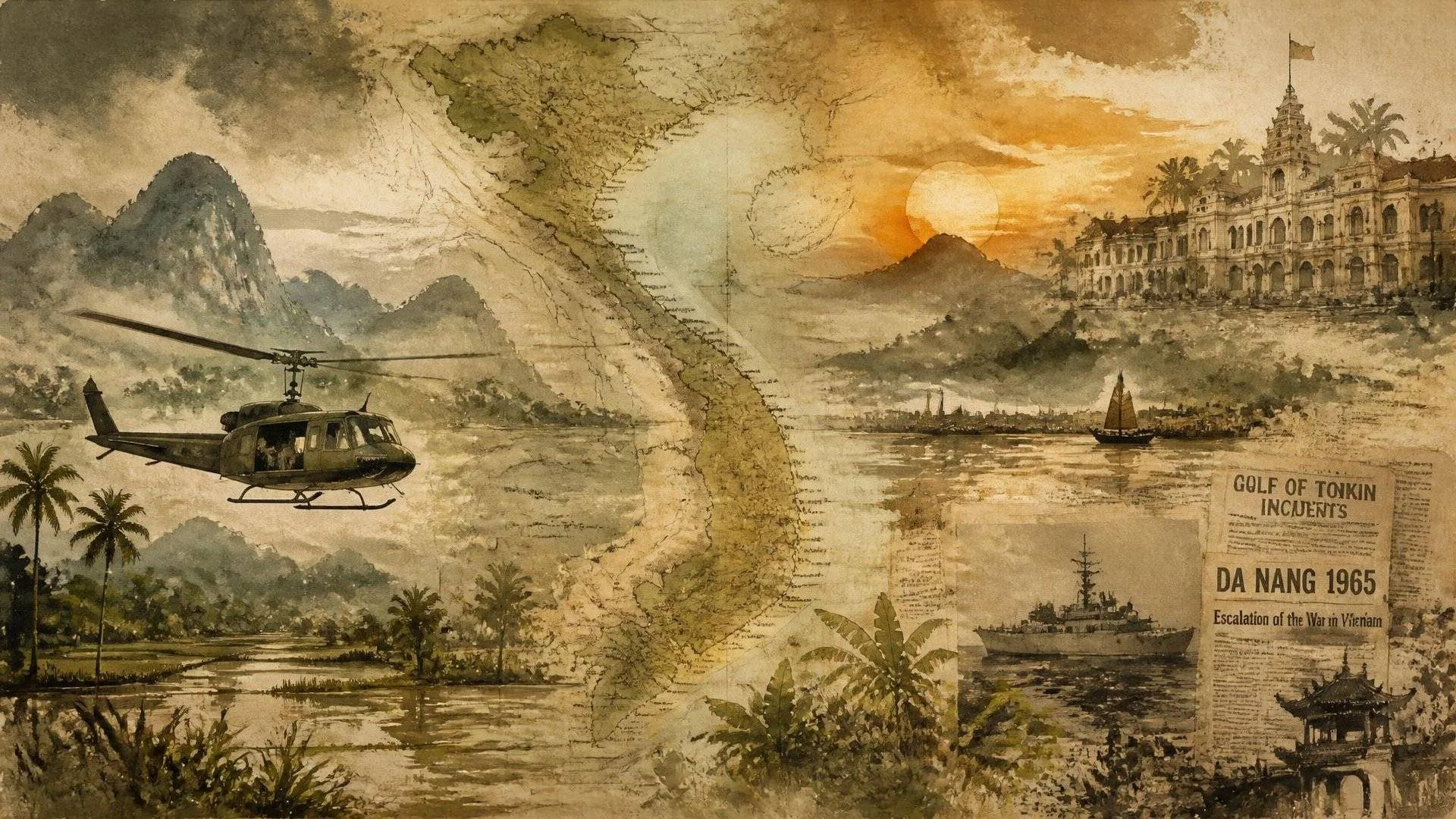
P.A.T.H. stands for Pivotal Actions Through History. It is a game and a historical learning experience: dates, units, weapons, places and major events are drawn from the record, while the playable soldier and squad are fictional.
There is no score and no winning. The goal is to get through your tour — to survive it, and to find out who you become on the way to the Freedom Bird home. Some men come home whole, some wounded, some not at all.
It is adapted from the P.A.T.H.: Vietnam tabletop RPG, a deep, rules-complete role-playing game, and it runs on the PATH System — our own step-die rules engine. Under every scene there is a real character sheet and a real dice engine, running silently. You never see a die roll; you see what it cost.
Real operations on their real dates: the Michelin Rubber Plantation, the Iron Triangle, Route 26, the New Year’s night stand at Fire Support Base Burt, and Tet. Verified against the record, not invented.
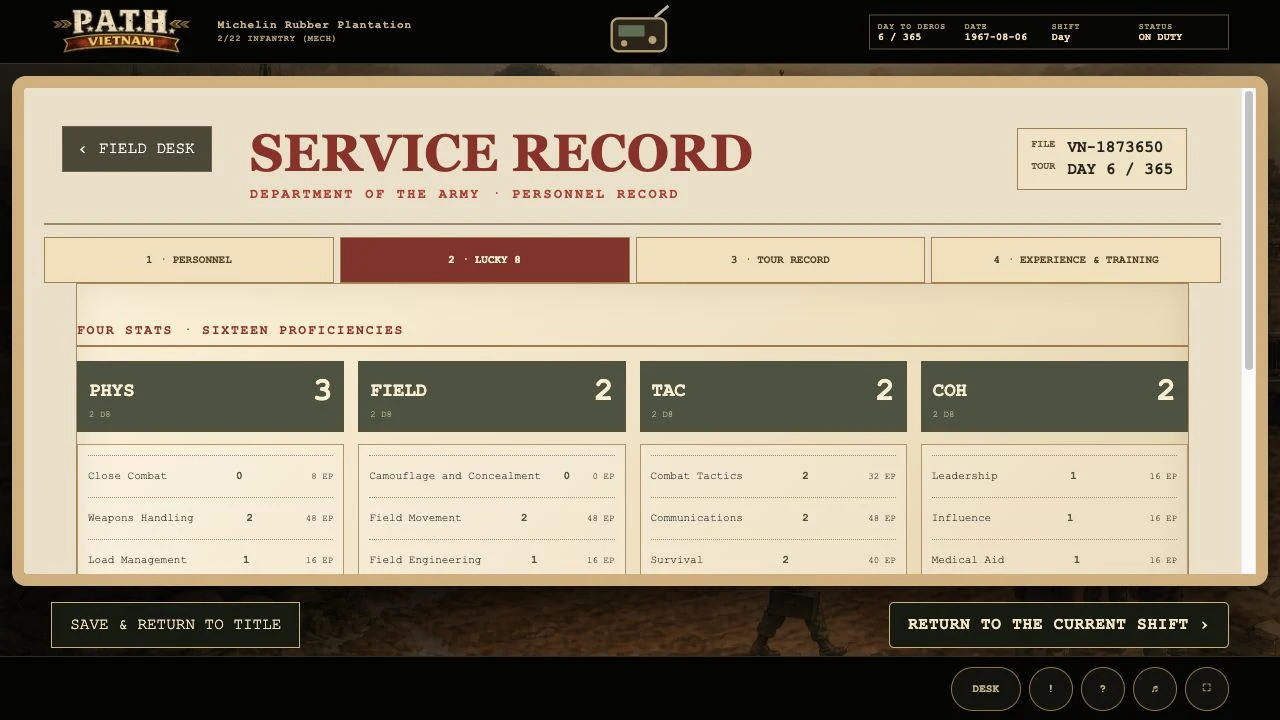
Four attributes, twelve skills, specialties, and Coolness Under Fire. Your background, education, moral code and the dream that keeps you going all change what you can do — and what the war does to you.
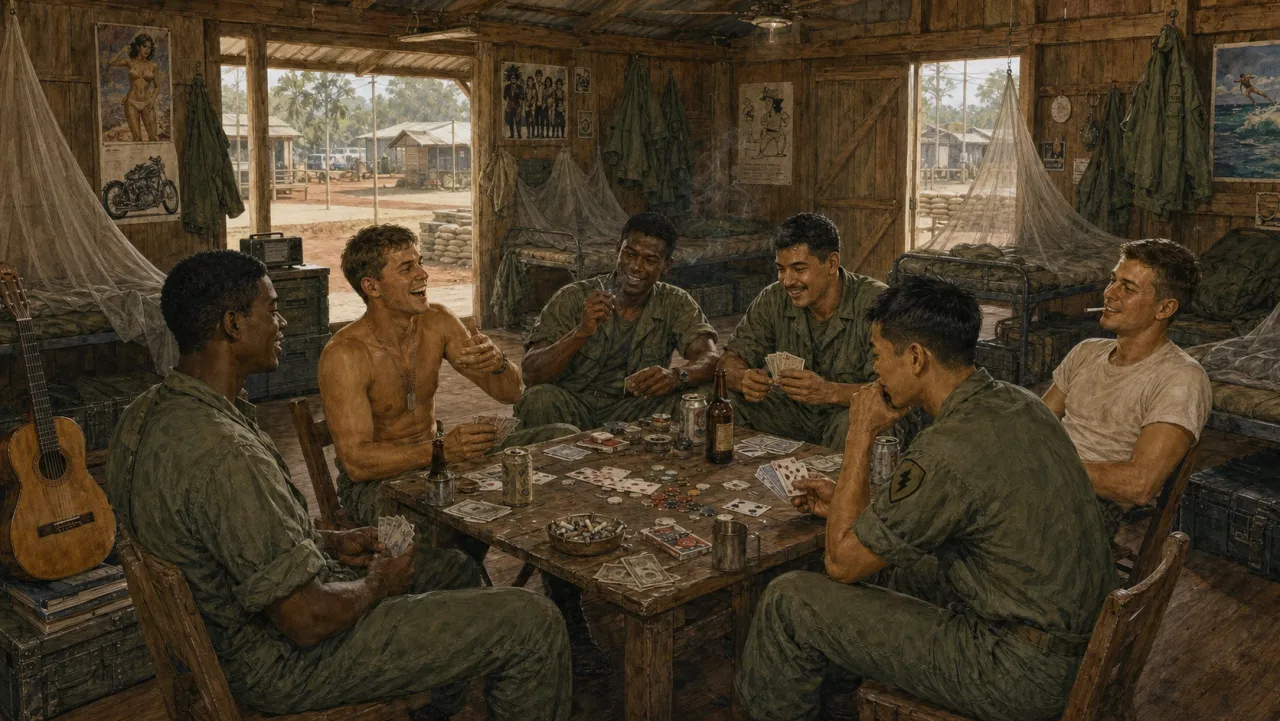
A squad of named soldiers with their own arcs, wounds, R&R and rotations. Bonds are earned slowly and cost something when they break. Nobody is safe because you like them.
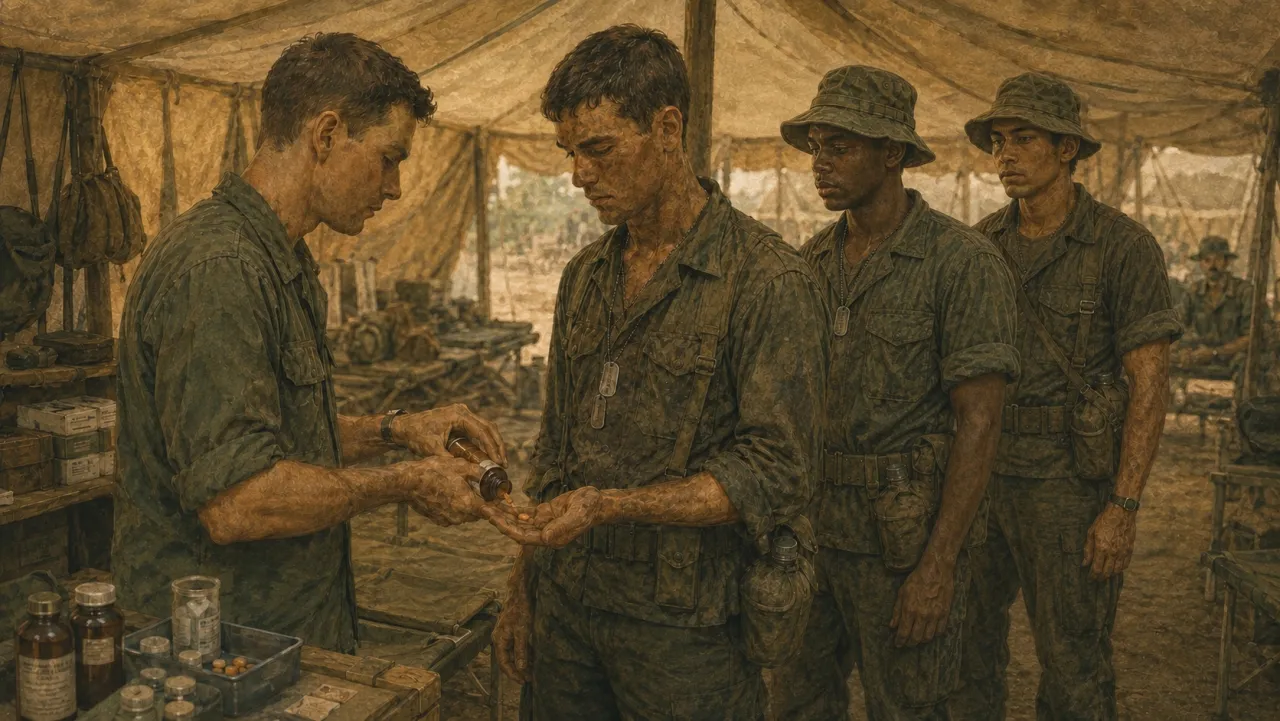
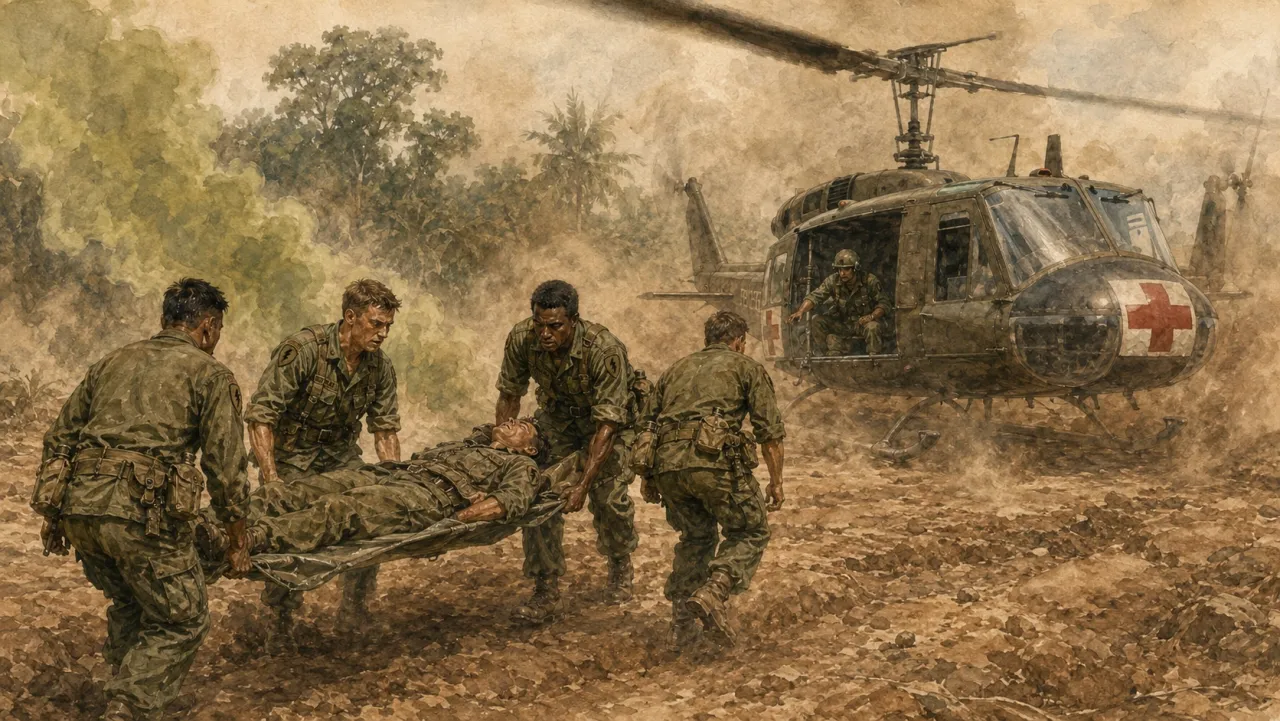
Stress and morale, wounds and evacuation, malaria and the Monday pill, jungle rot, Agent Orange, and the things you can’t put down — which follow you home into the epilogue.
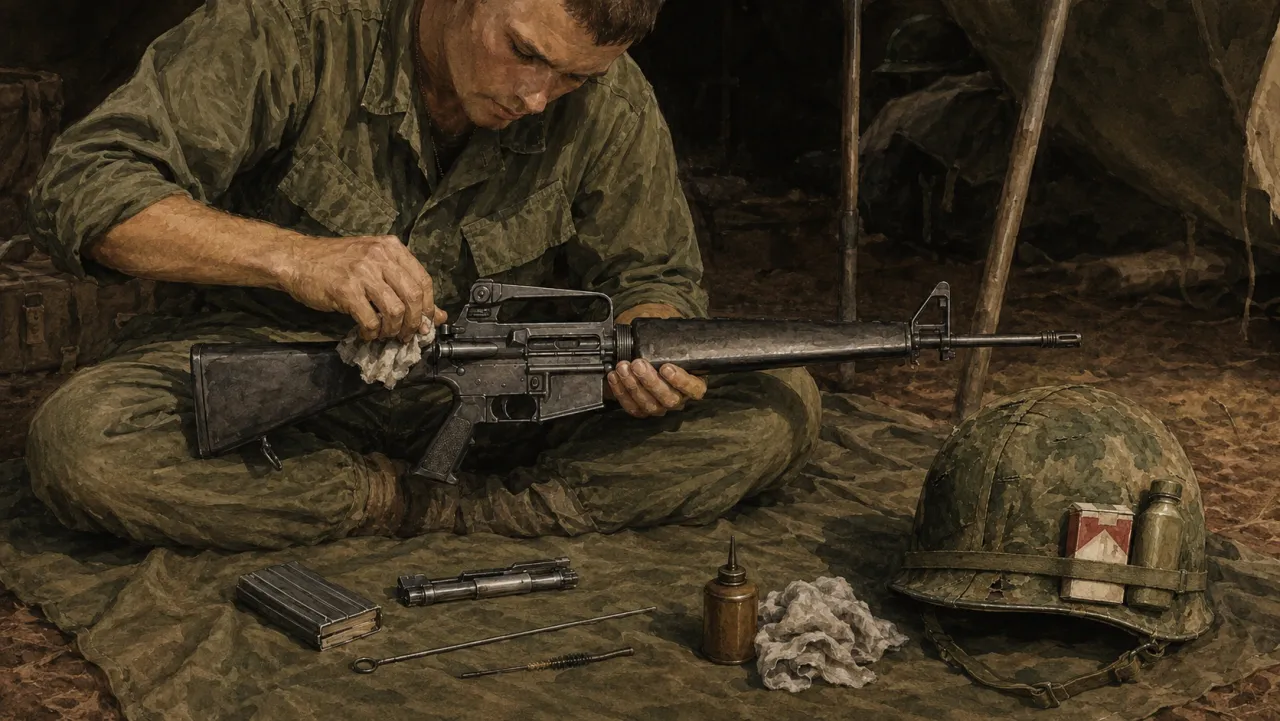
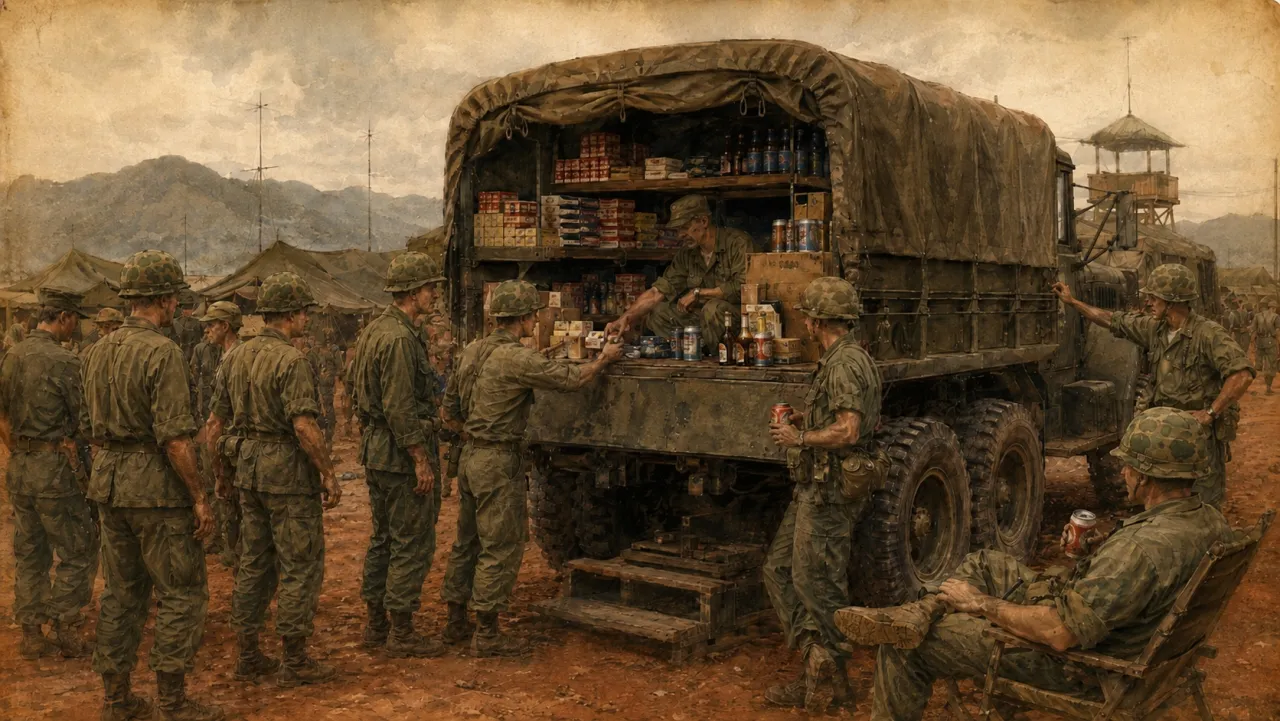
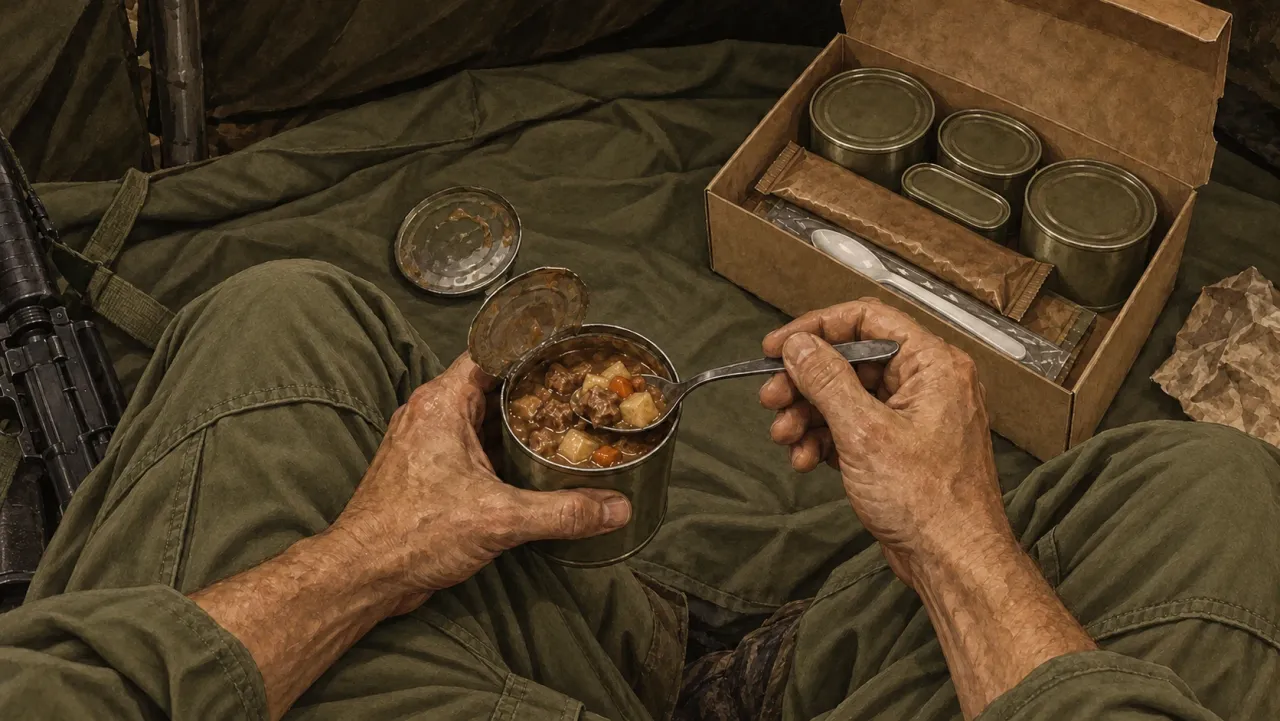
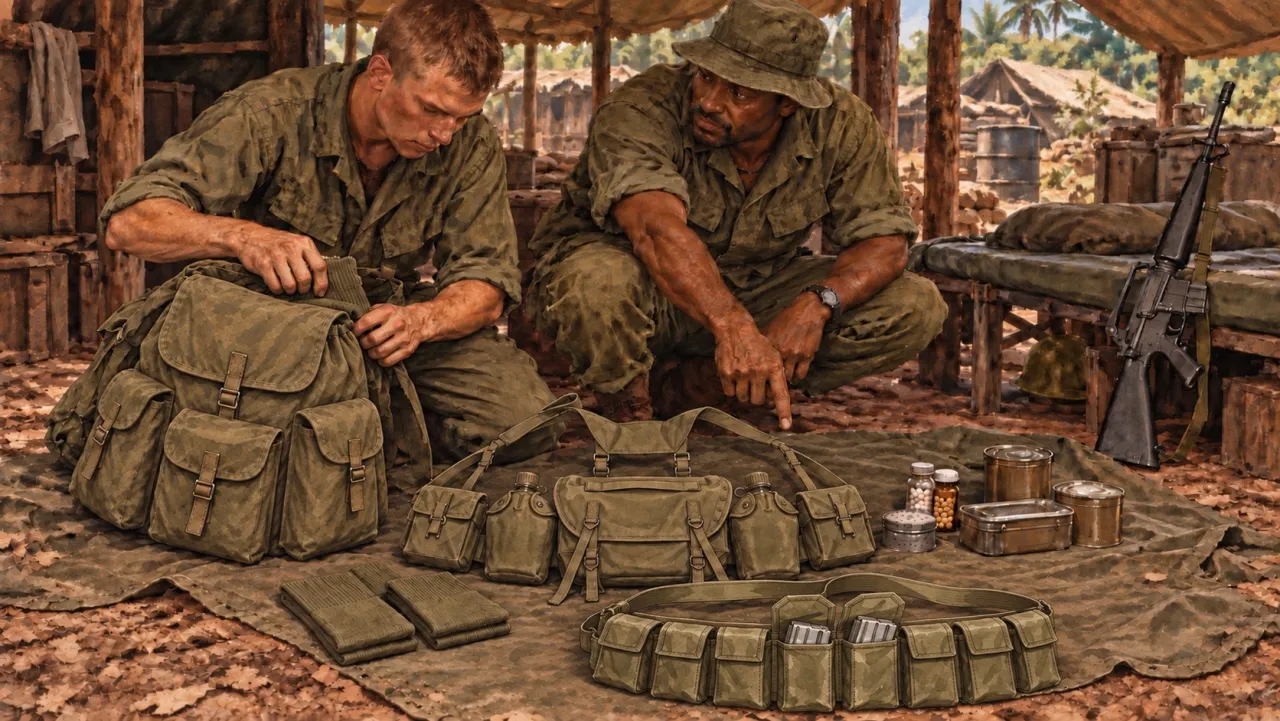
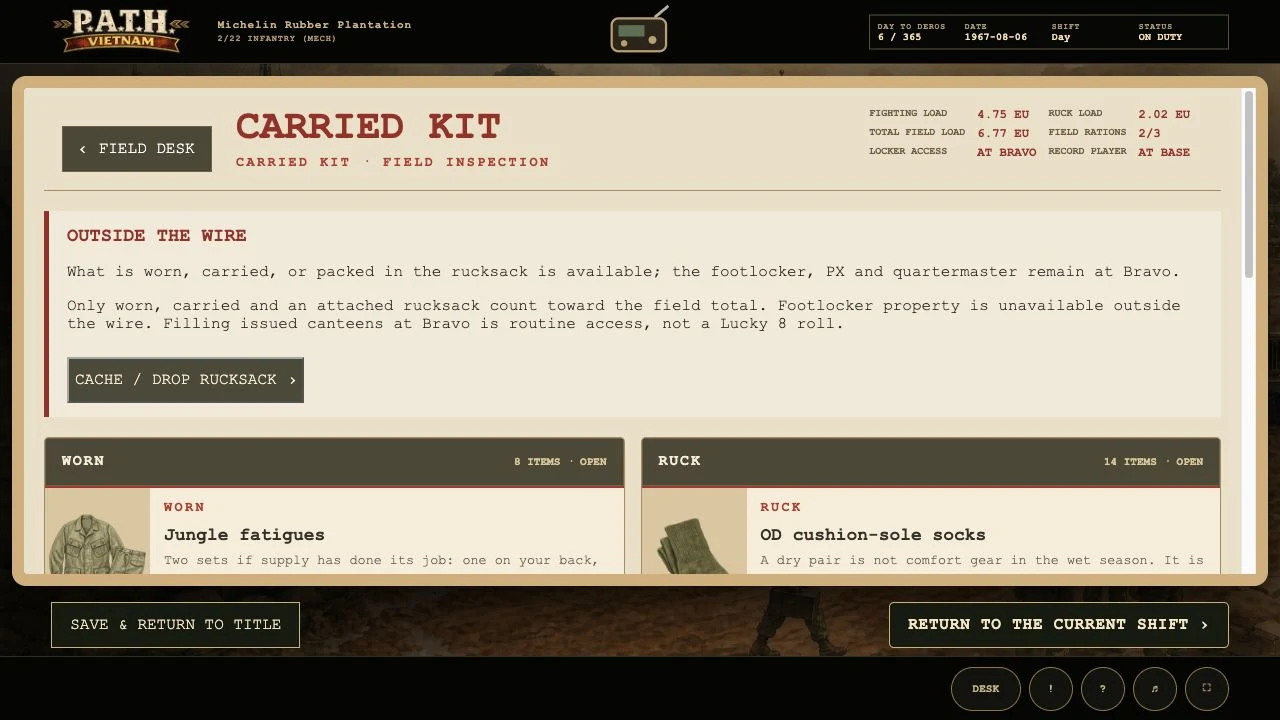
Draw it at the quartermaster, buy it at the PX truck, choose what rides on your webbing and what stays in the footlocker. Weight is real. Boots wear out. Gear only helps while you’re carrying it.
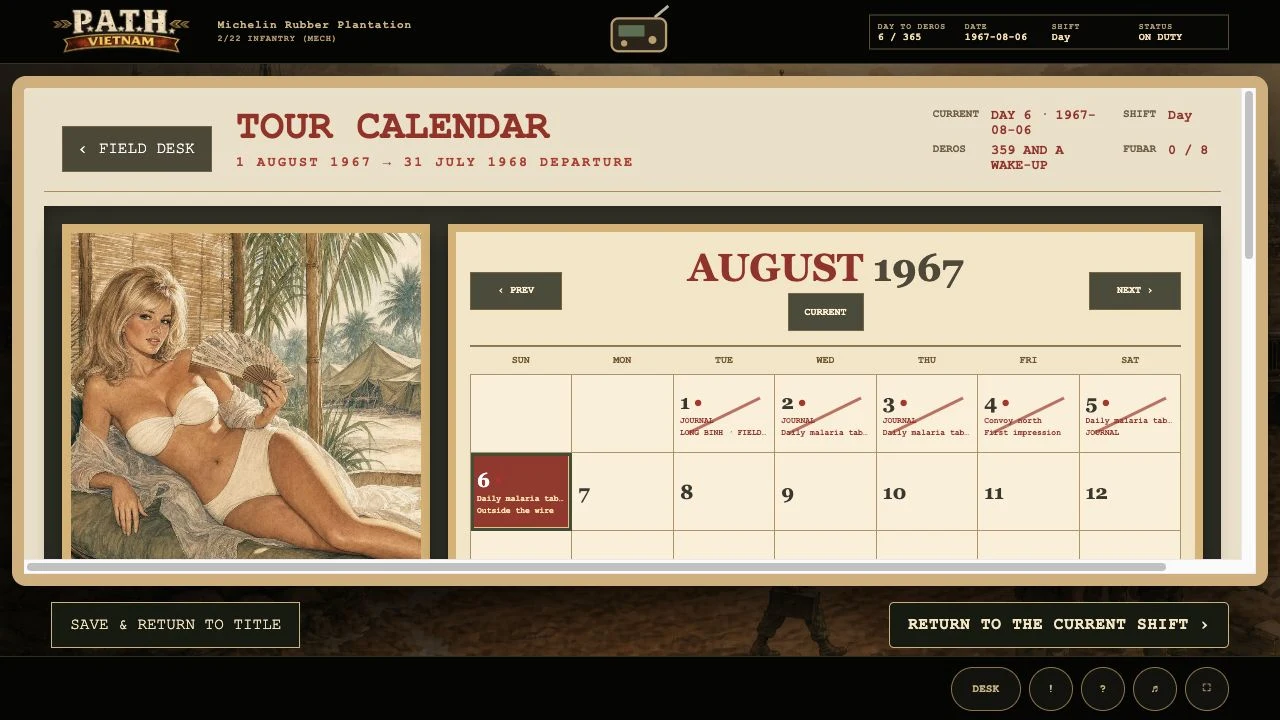
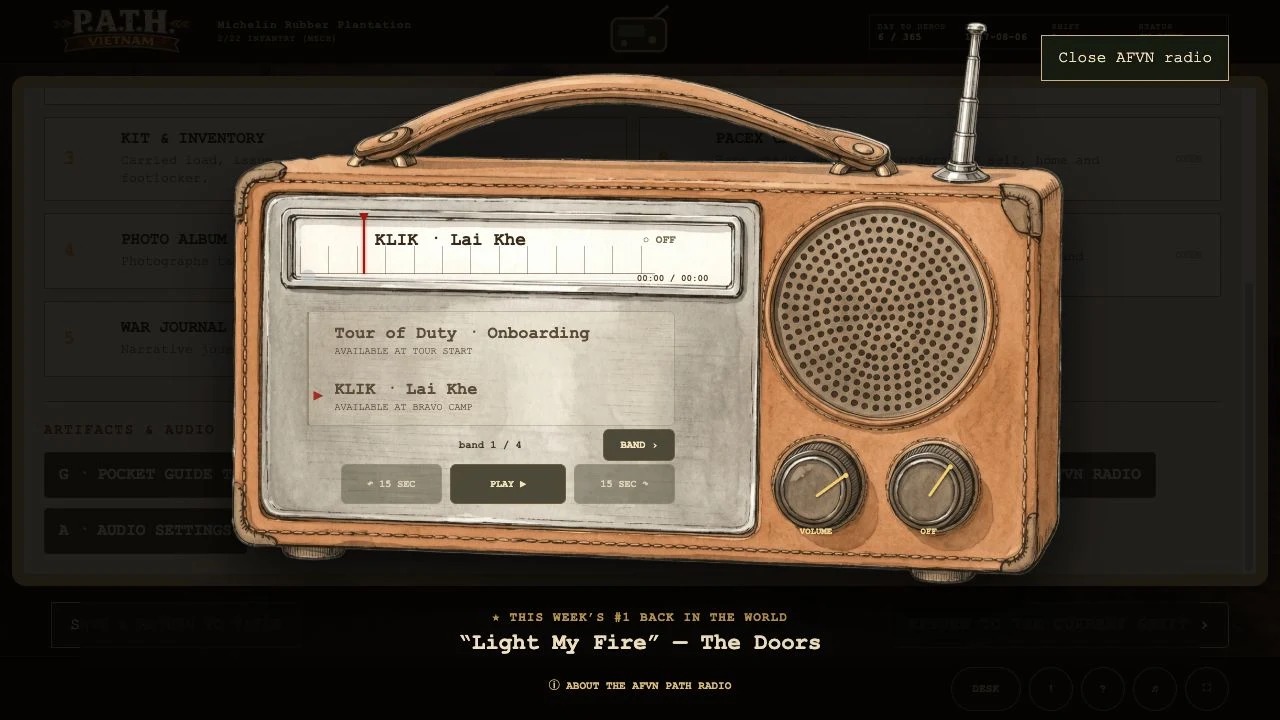
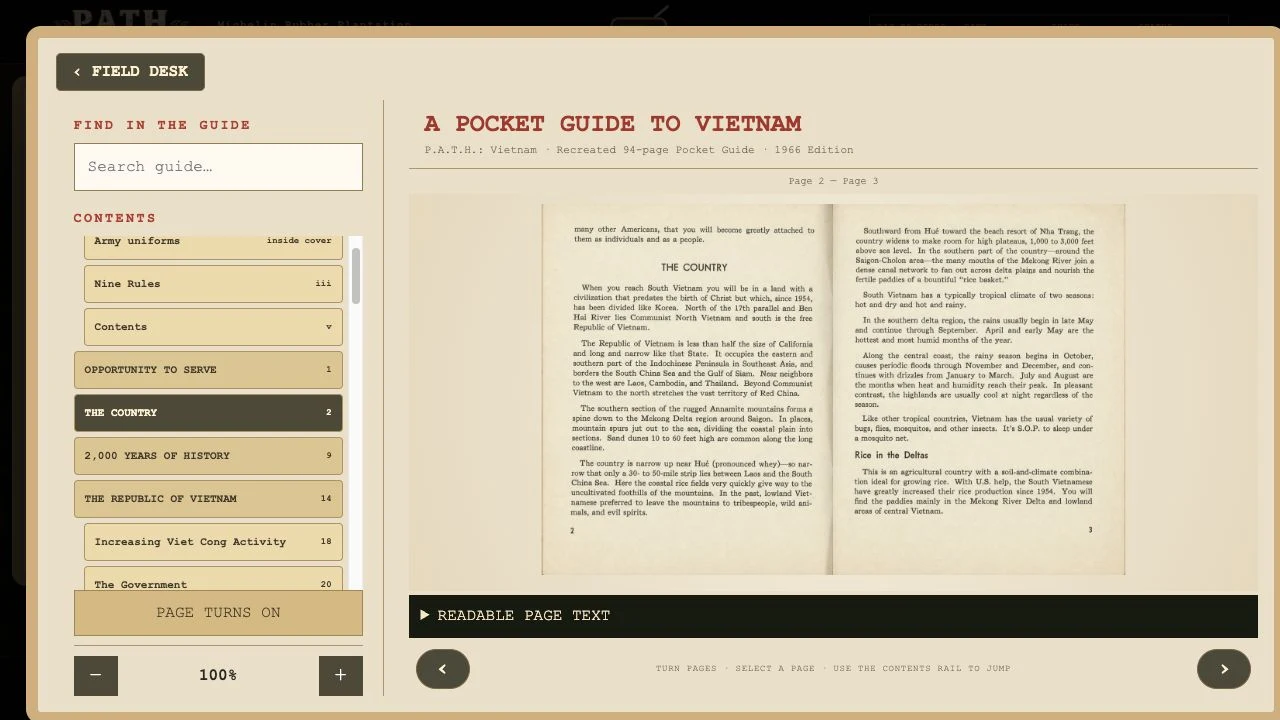
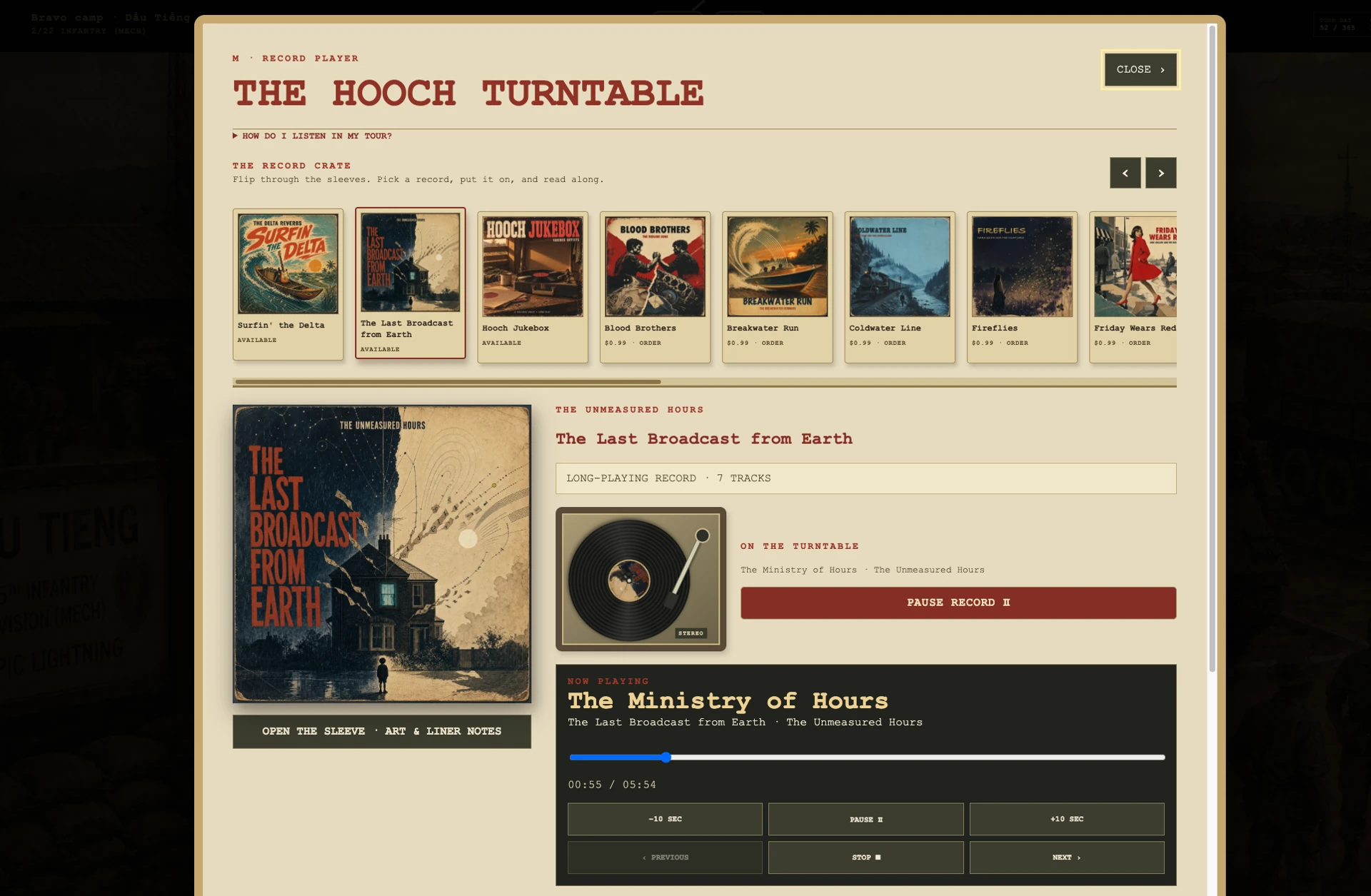
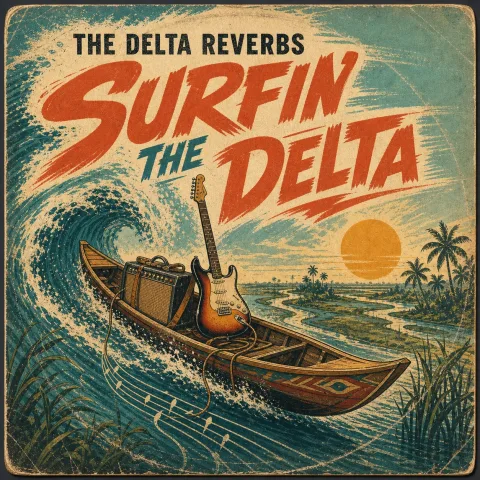
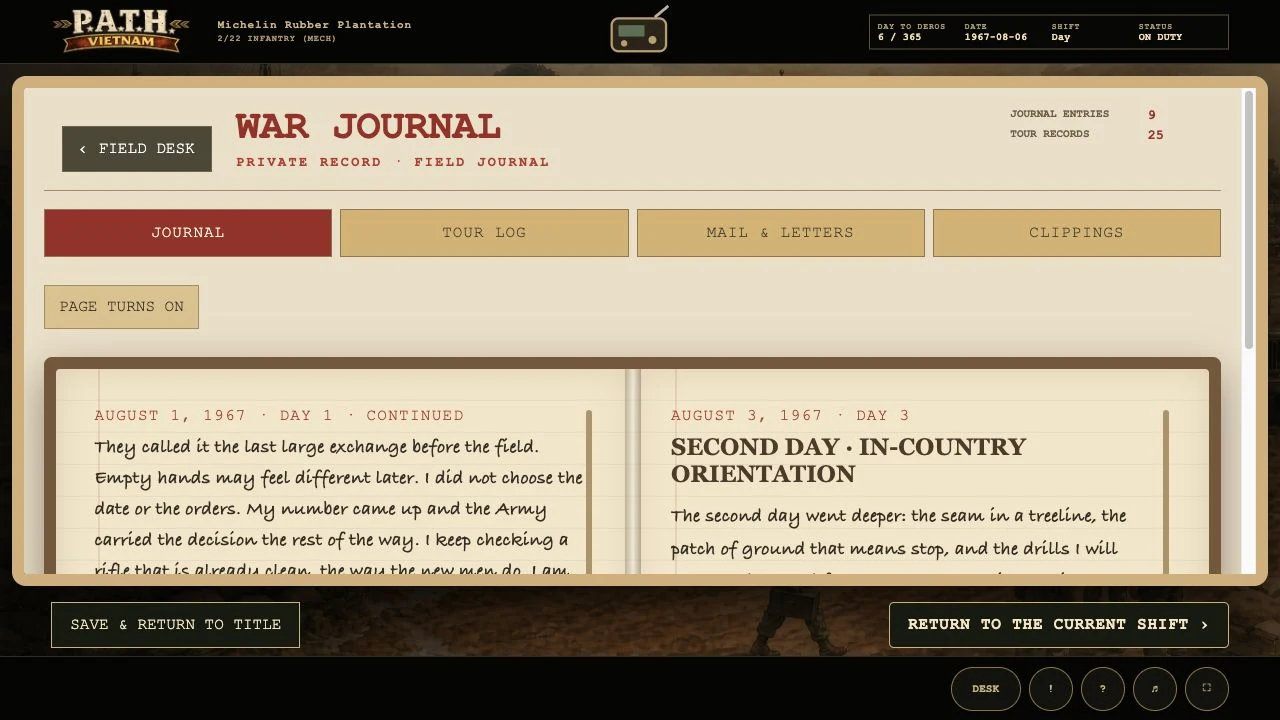
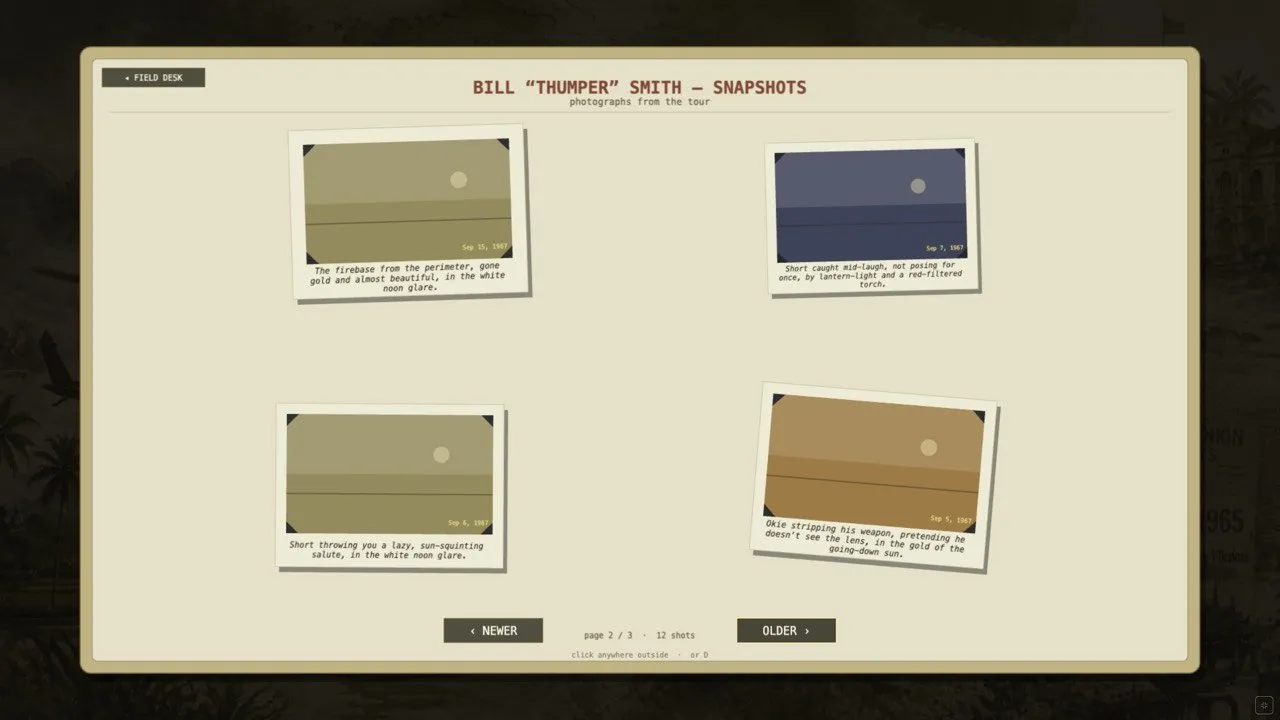
Keep a journal, clip historical events, review your service record, photographs and calendar, tune AFVN, and explore the recreated Pocket Guide to Vietnam.
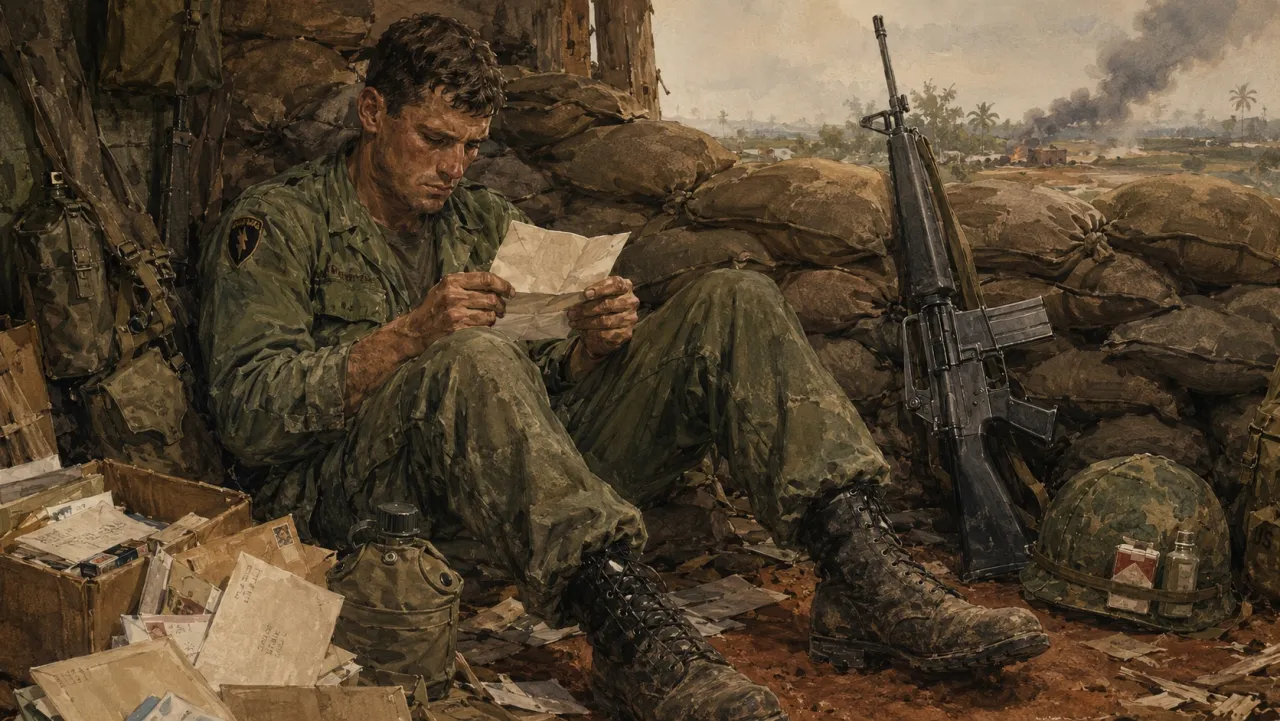
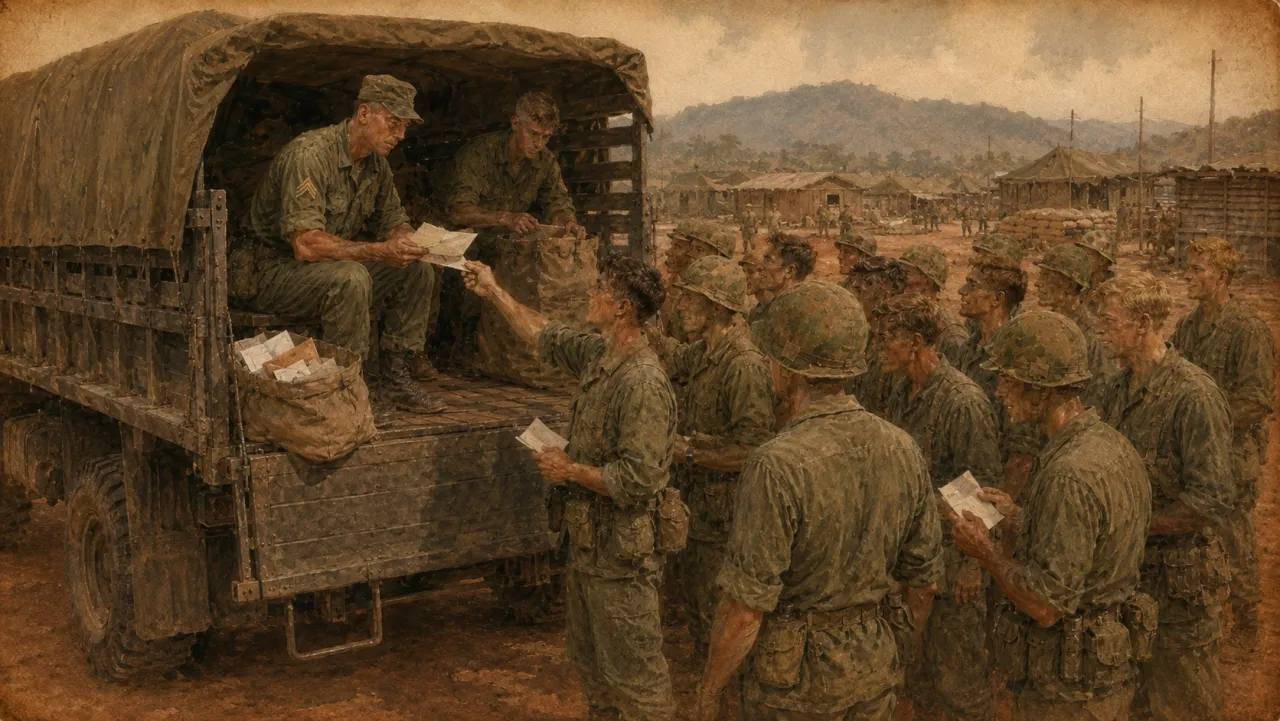
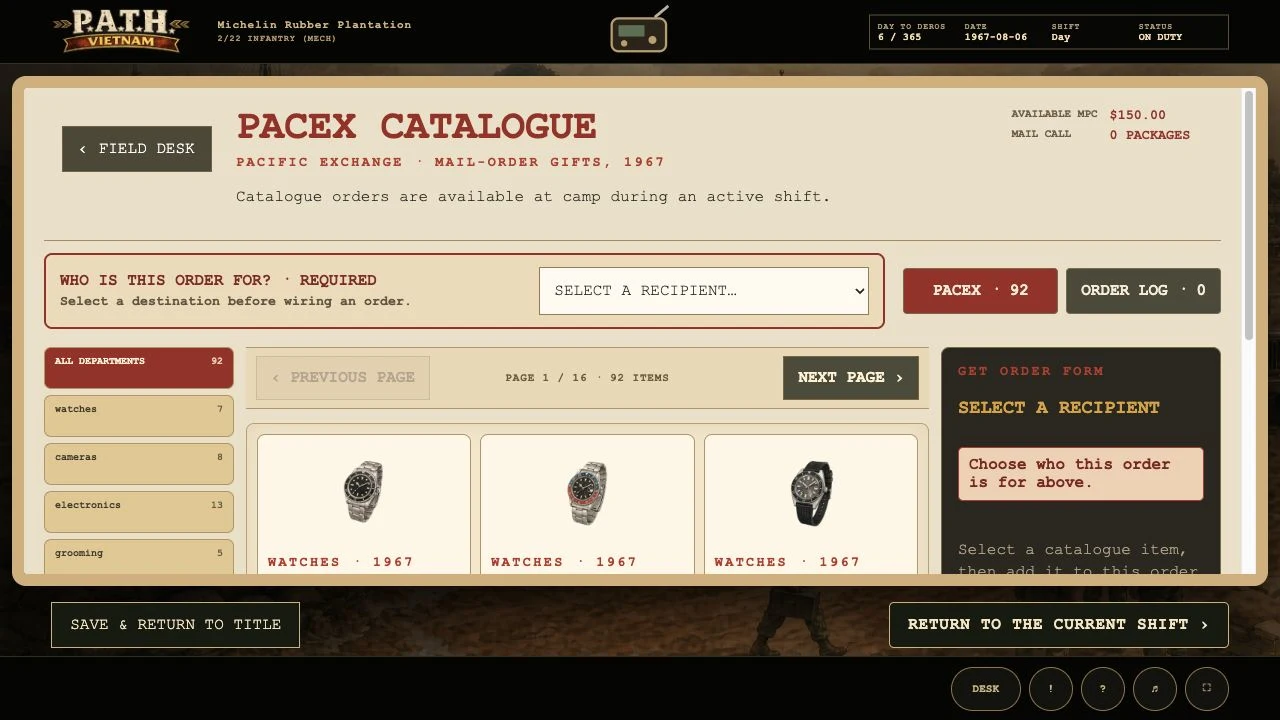
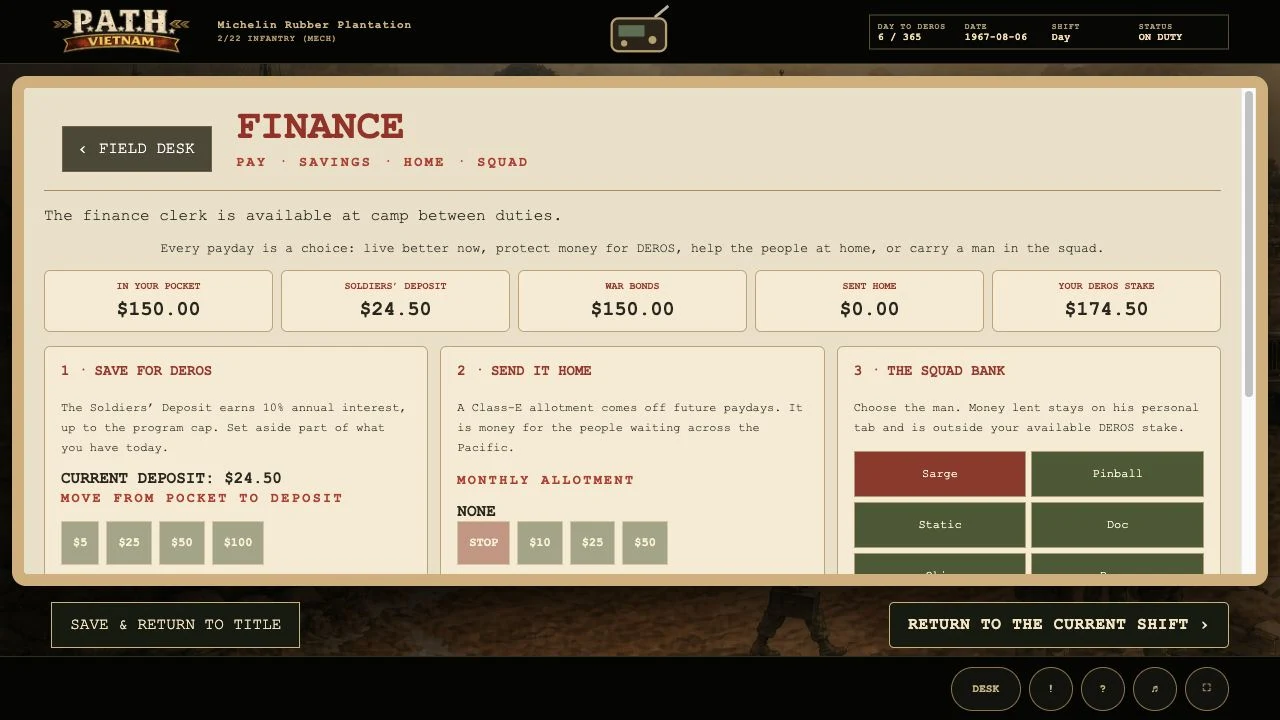
Save for DEROS, buy war bonds, send money home or carry a squadmate. Order from the catalogue for home, for someone you know, or for your own footlocker after mail call.
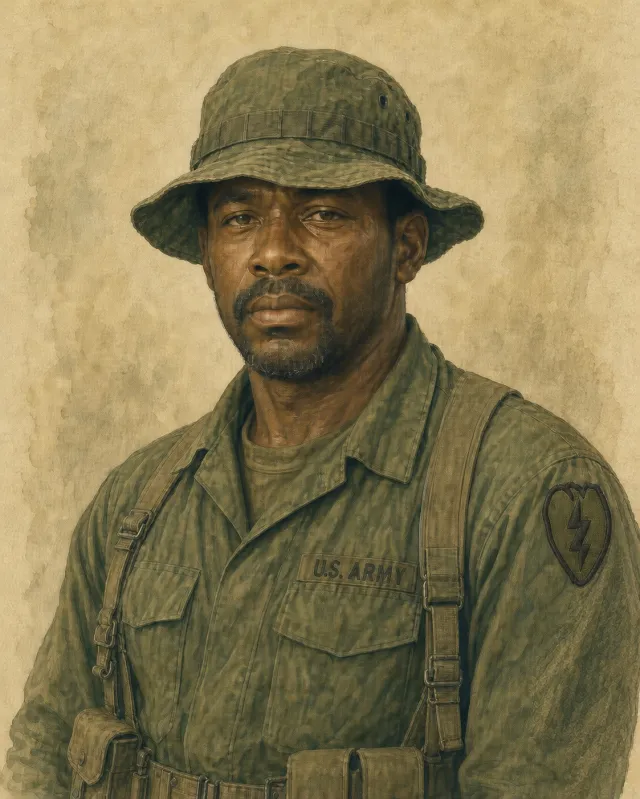
Signed-in tours can continue across devices. Text, motion, flashing and content settings let you choose how the presentation meets you without changing the game’s consequences.
How to play
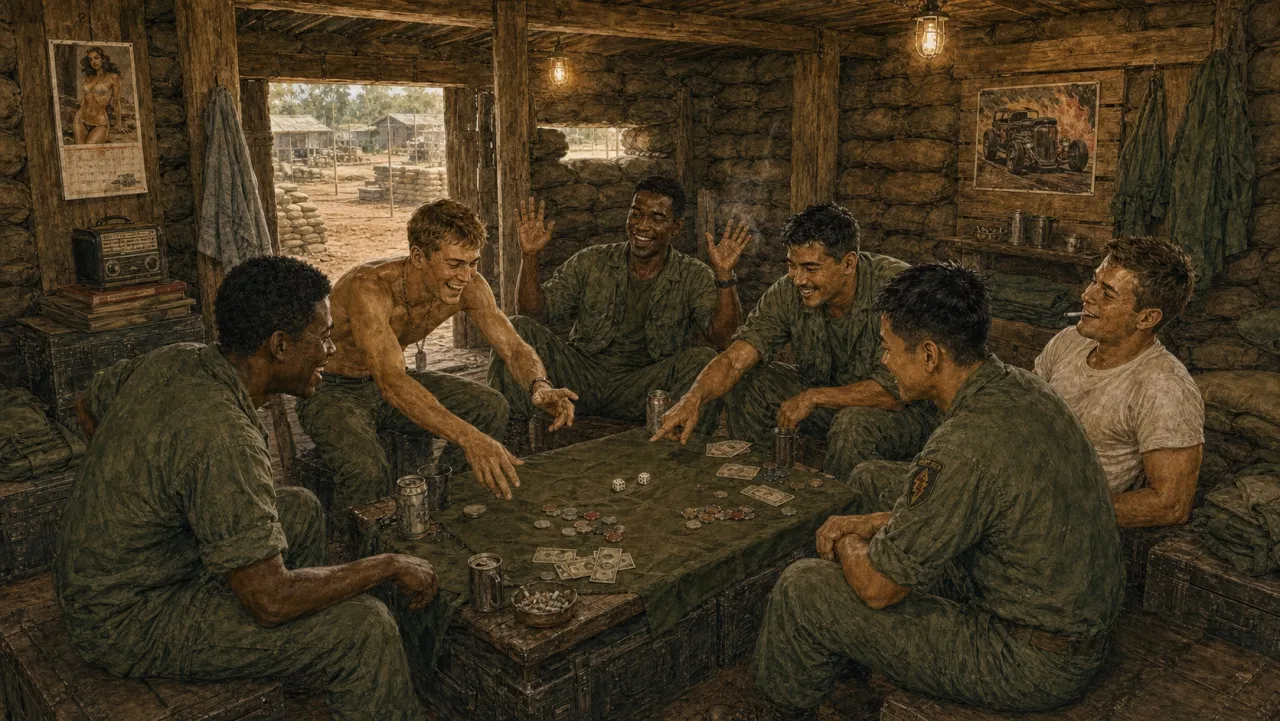
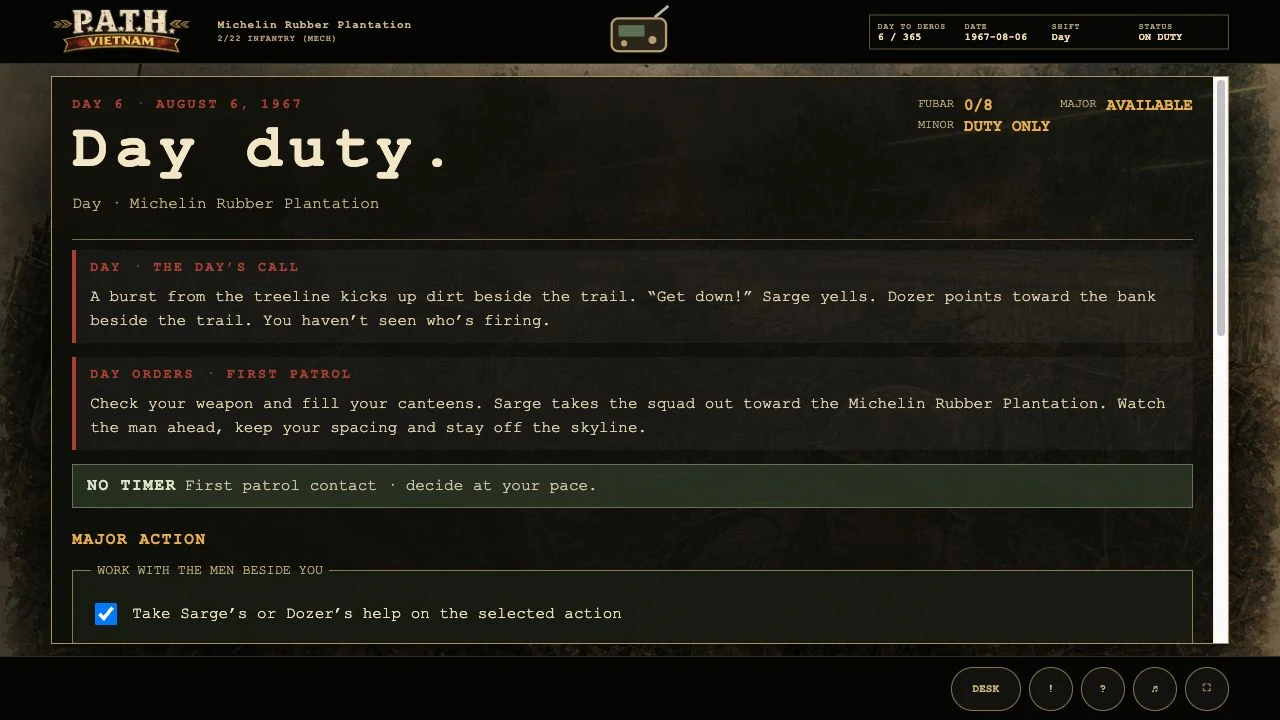
Every day of your tour is four shifts — Dawn, Day, Dusk, Night. A morning event sets the tone, and then you choose how to spend your time from the action board. Pick with the mouse, a touch, or the number keys.
Actions come in two kinds:
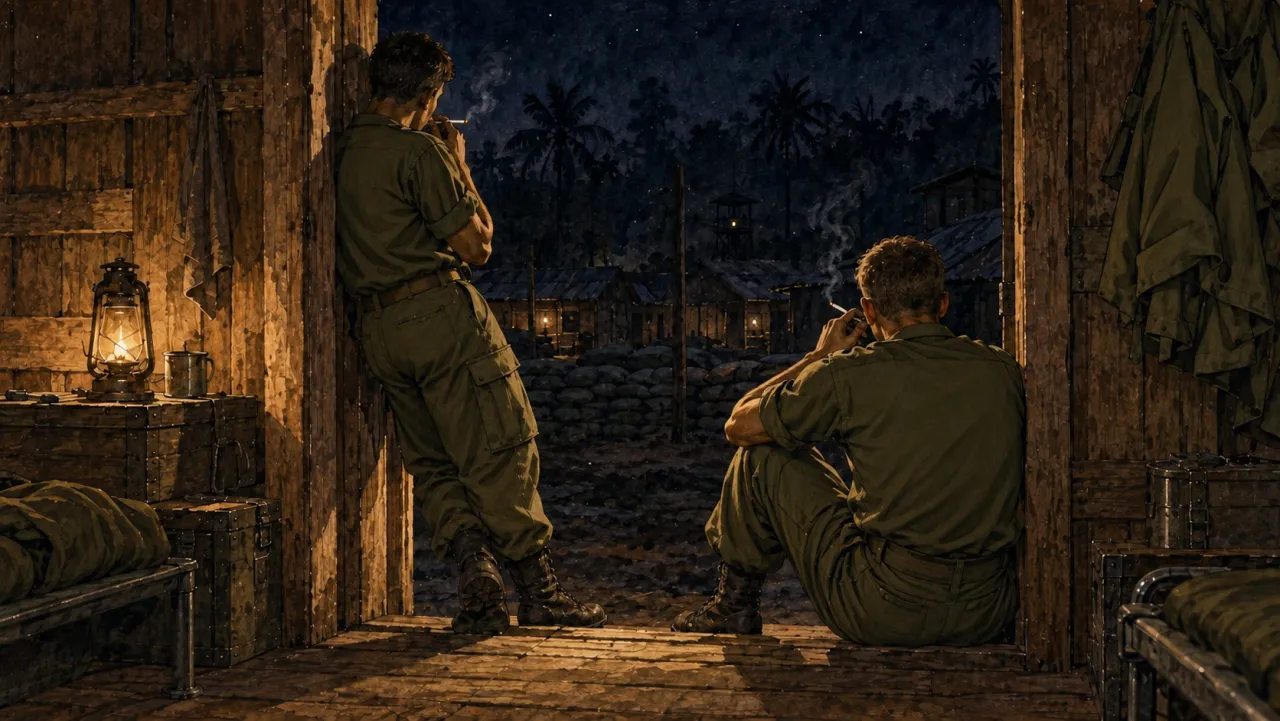
Other days the war comes to you instead — a patrol, a road run, a night ambush — and that becomes the day. At dusk you sit with a man and hear his story; at night you stand a watch, then sleep, and the day’s journal entry writes itself.
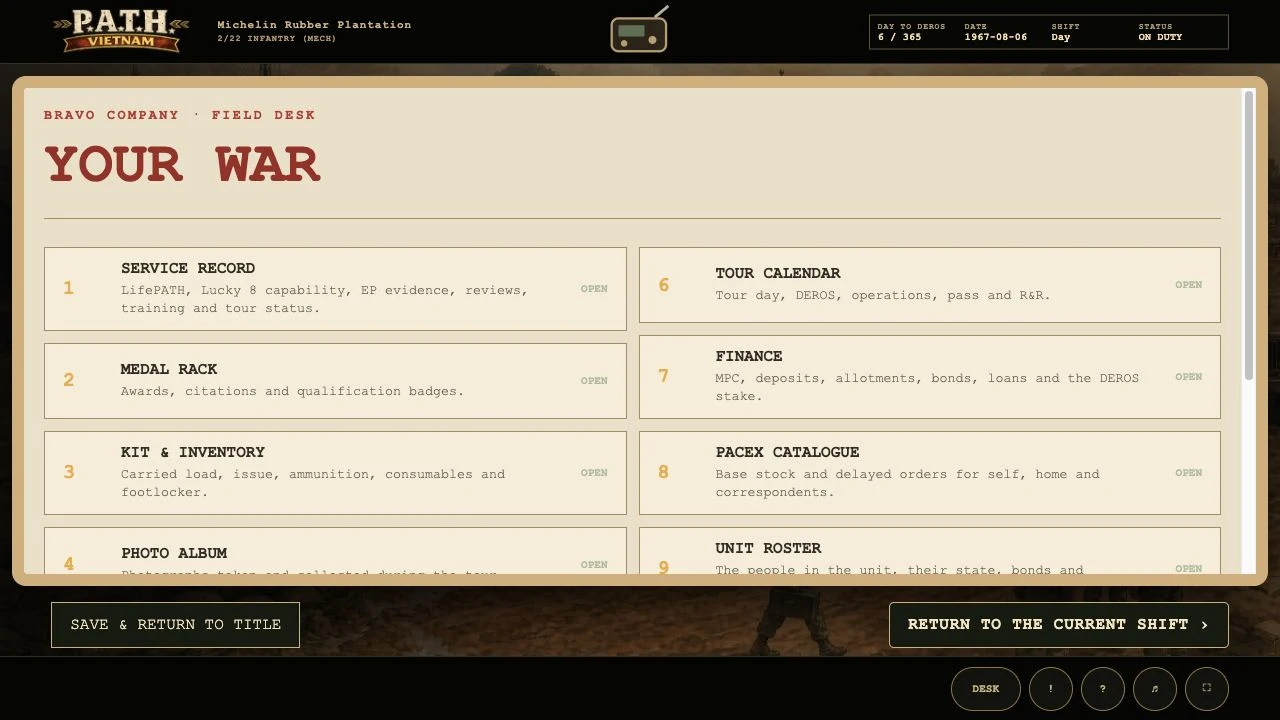
The Field Desk holds the longer tour: service record, kit and footlocker, Finance, the PACEX catalogue, journal and history, calendar, photographs, Pocket Guide, AFVN radio, account tools and presentation settings.
Name, hometown, the year you were born. Then where you grew up, what you were before the Army, your moral code, and your Post-War Dream — the thing you mean to get home to.
Four shifts. One major action, a handful of minors. Choose what the day is for: the work, the men, or yourself. Nothing gets you all three.
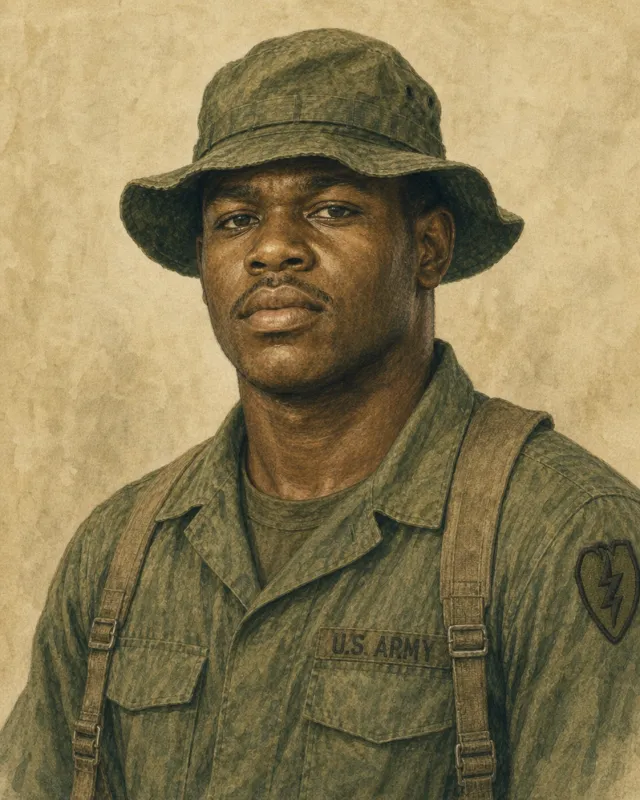
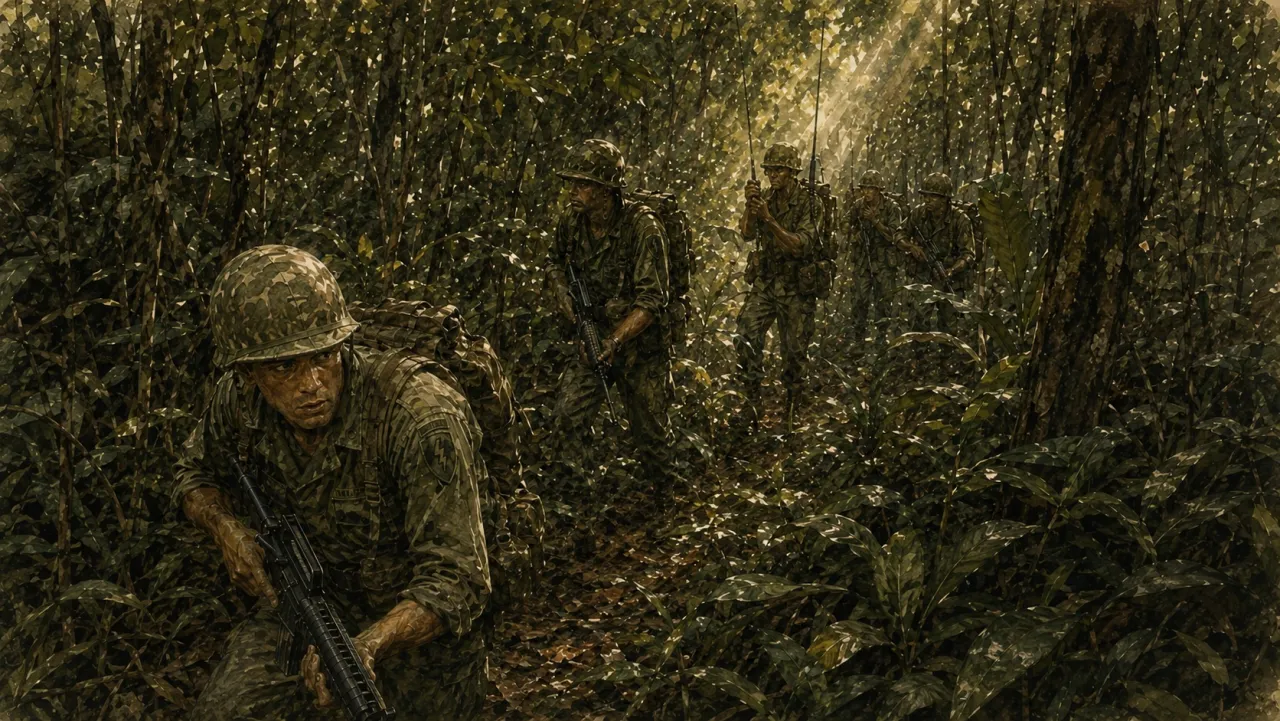
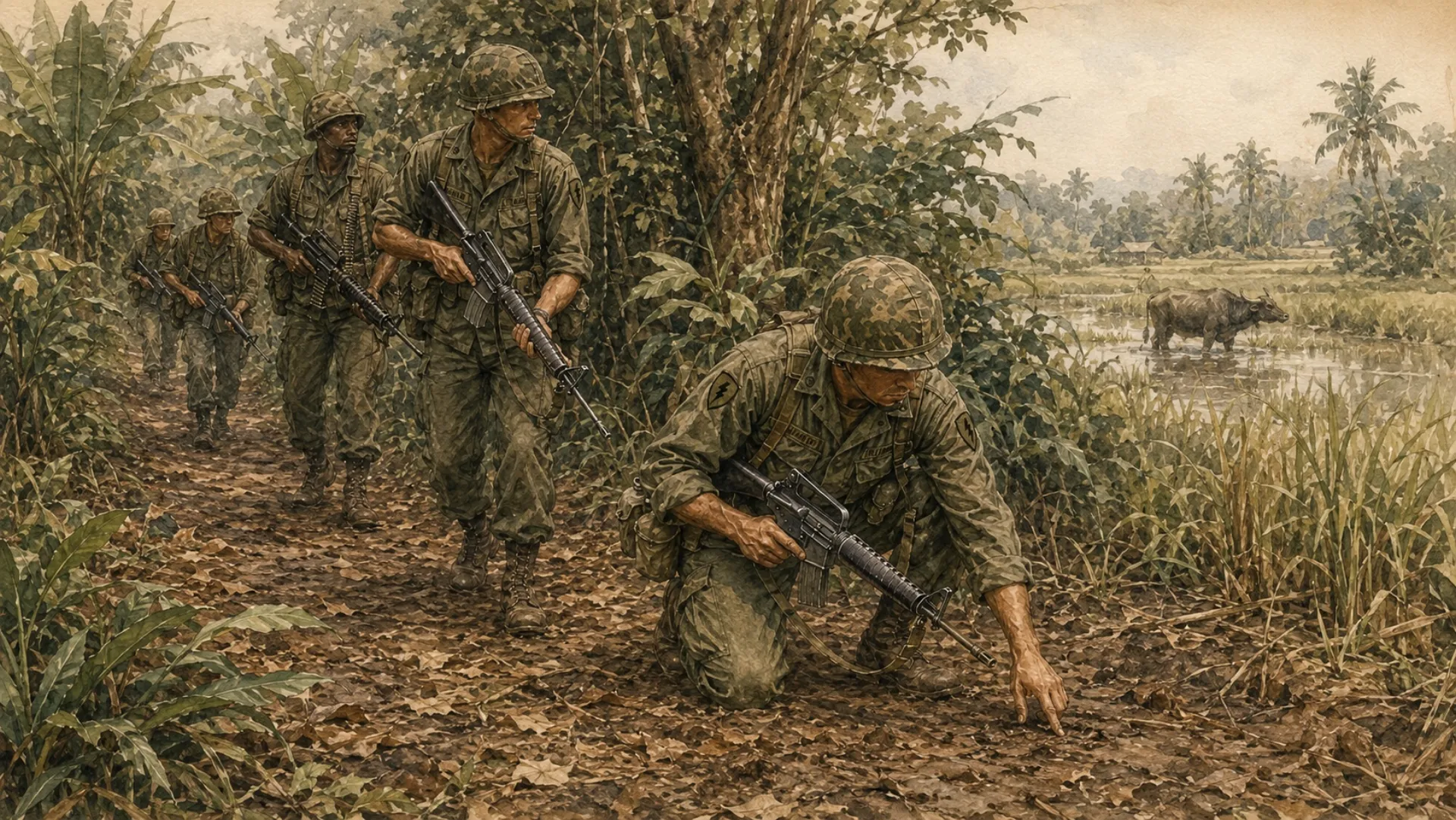
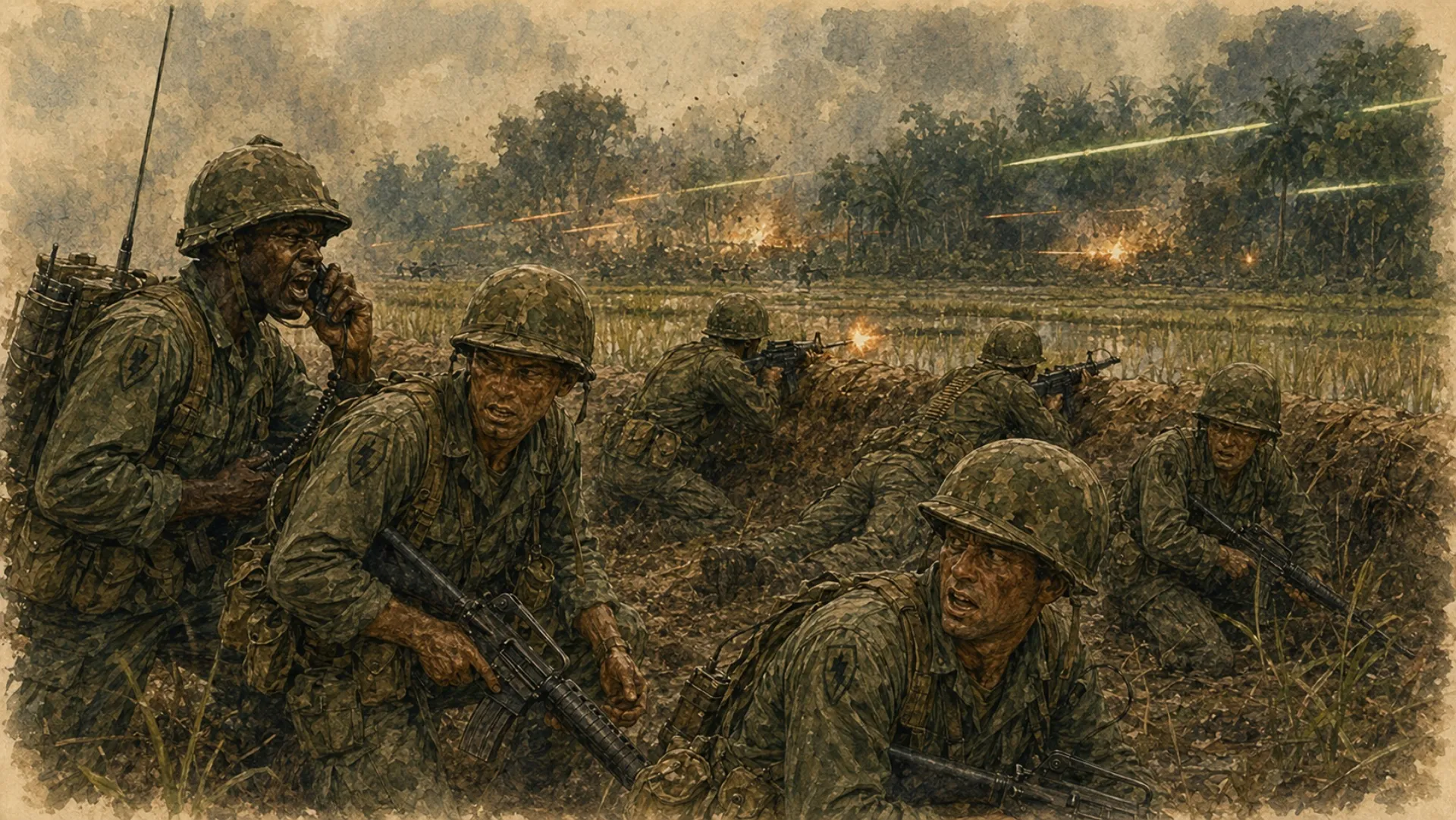
Patrols, road security on Route 26, night ambushes, cordon-and-search, and the multi-day battalion sweeps. It’s where a soldier learns — and where the tour costs you.
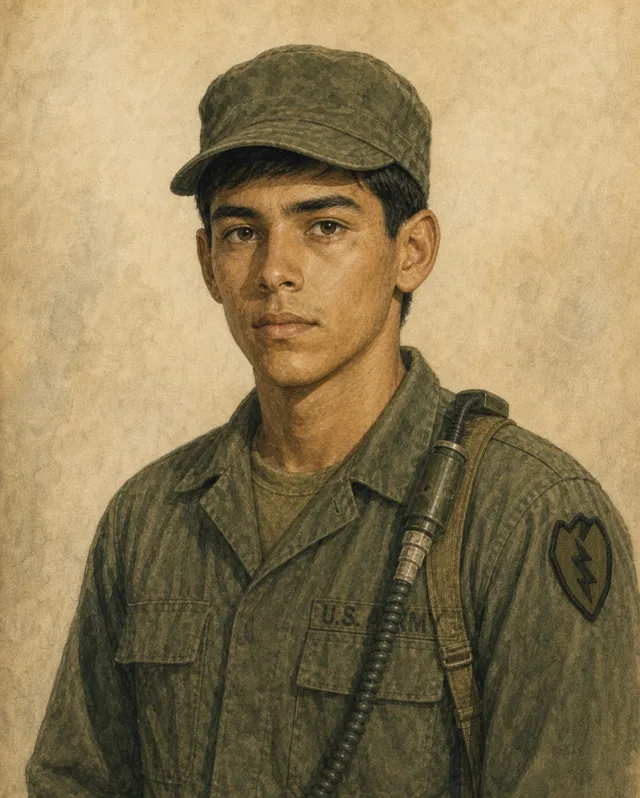
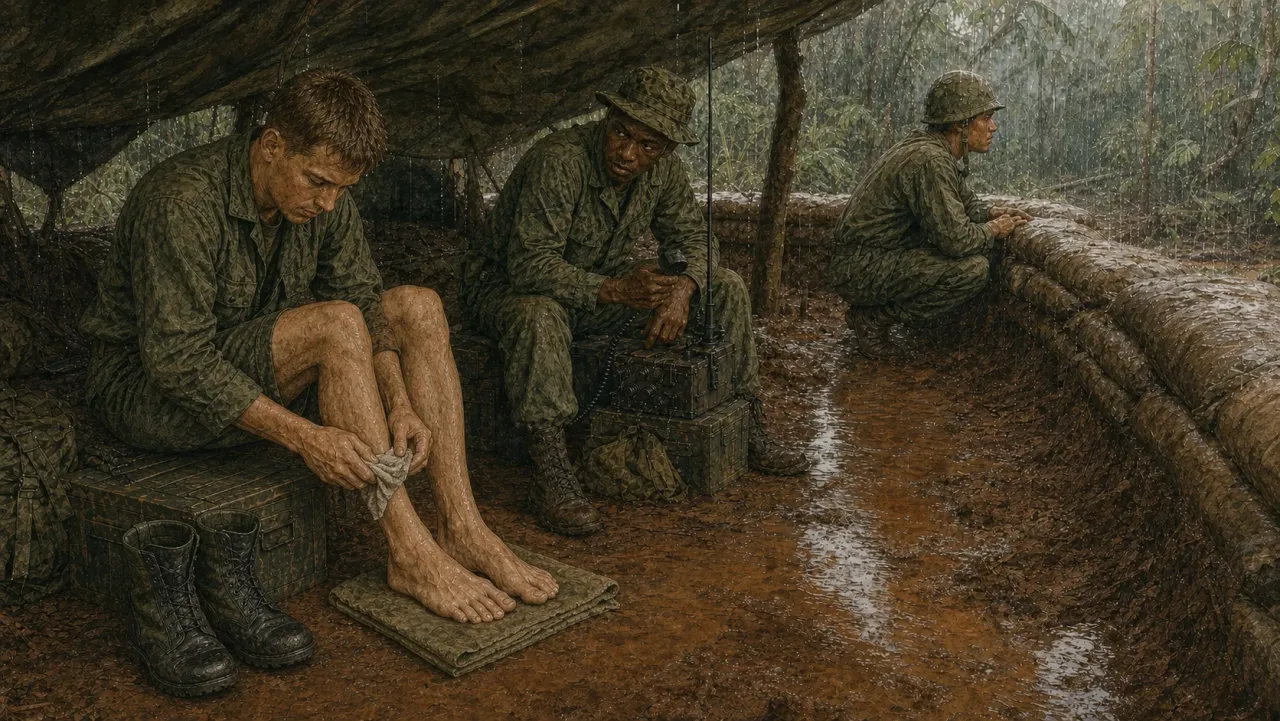
What you carry helps only while you carry it. Weight is real, rations run out, boots come apart, and your feet are a weapon system. Mend it, or draw new at the quartermaster.
The dilemmas have no clean way through. Hold your moral code when it would be easier not to and it costs you something now; break it and it costs you later, in the epilogue.
DEROS on the Freedom Bird, an evacuation, captivity, or a name on a wall. Then the reckoning, which is its own ending and reads back everything you did.
Inside the tour
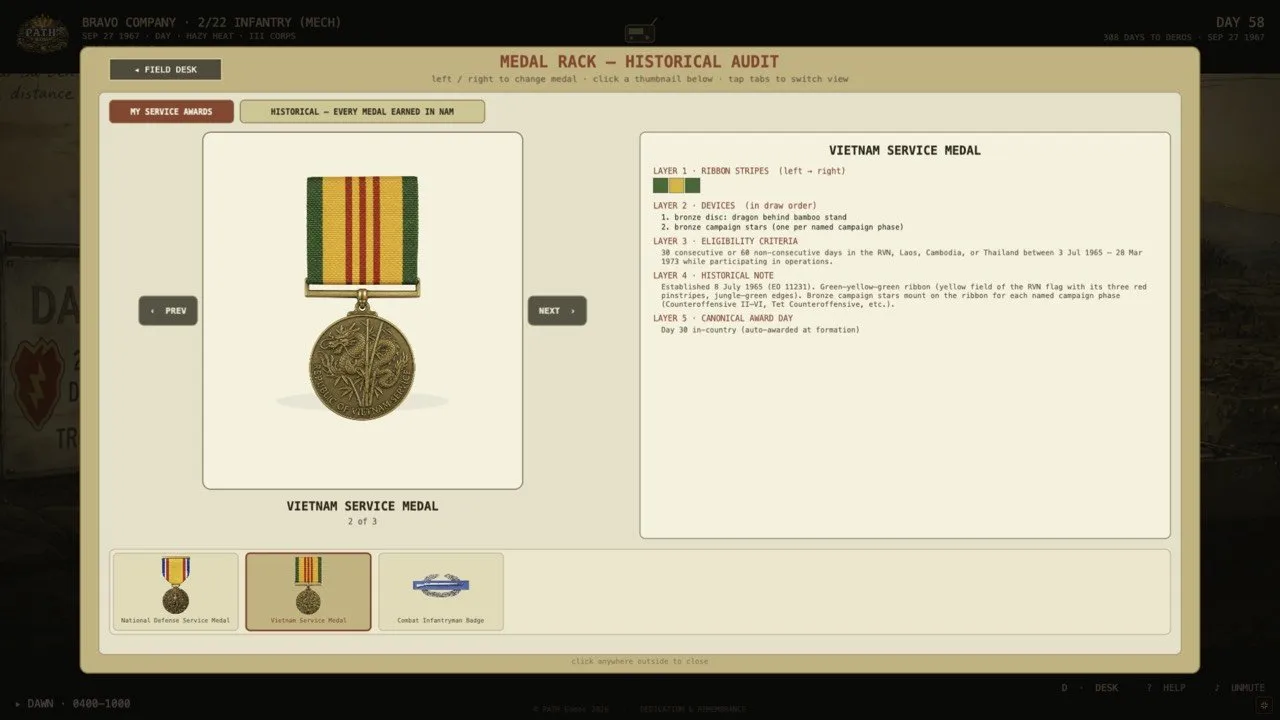
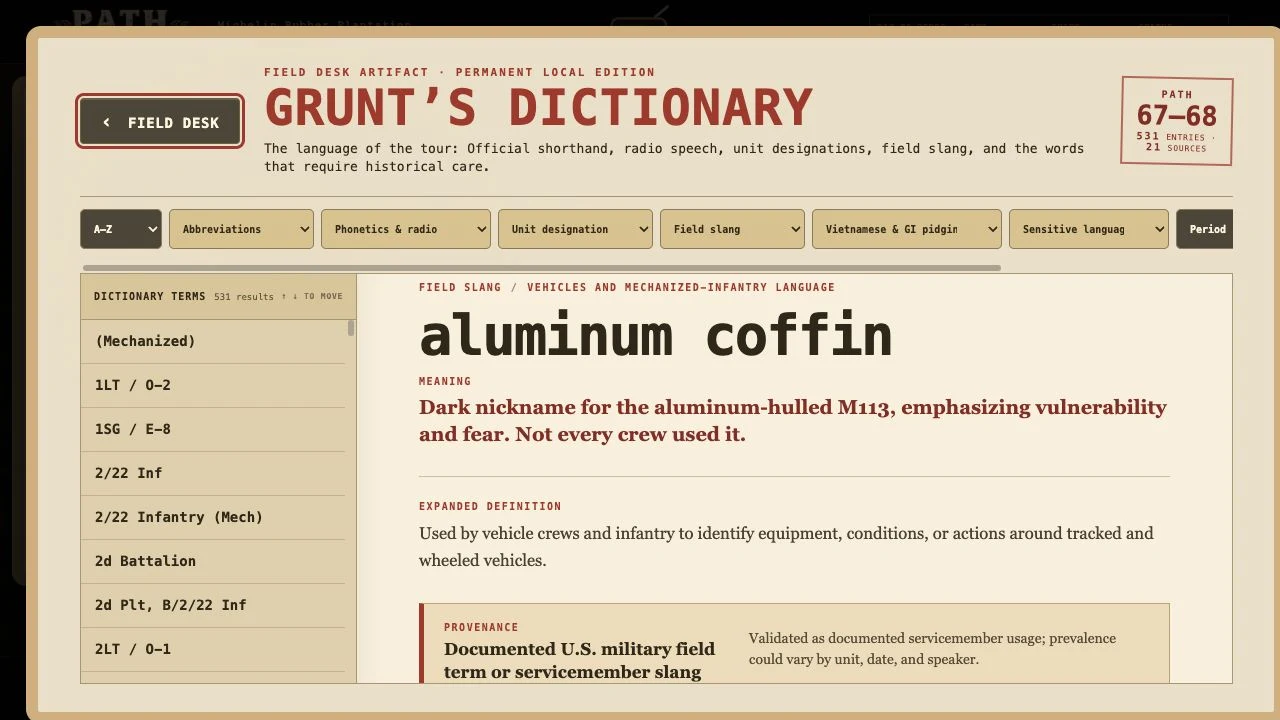
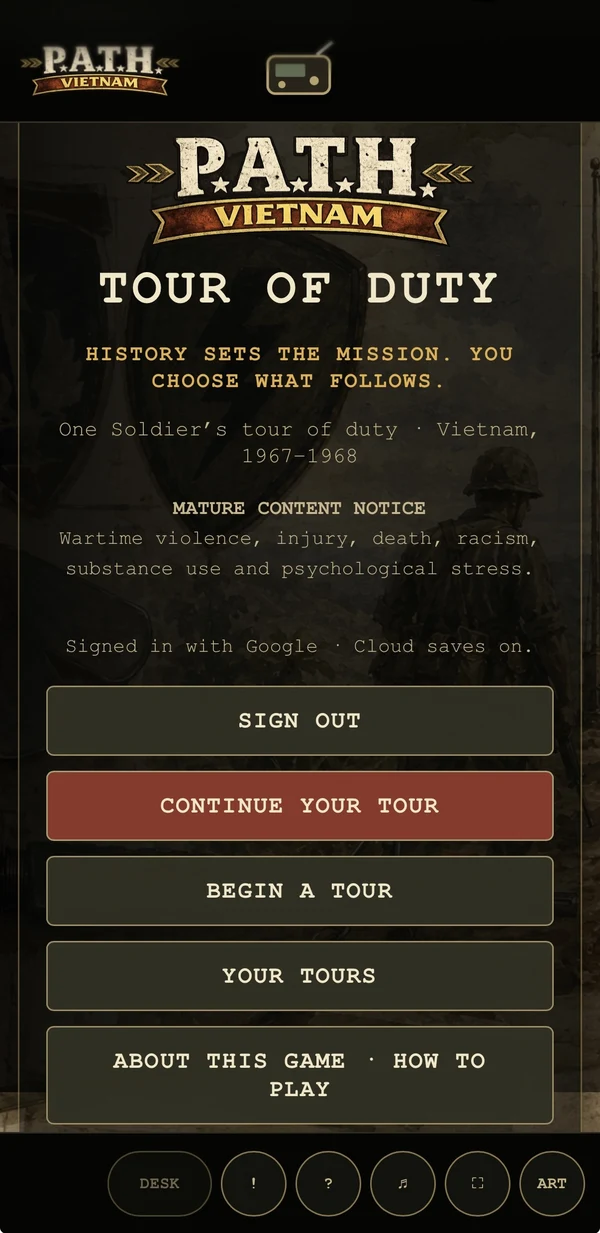
Current screens from the tour: the daily story, the Field Desk, finance, mail, kit, records and historical artifacts. Select any image to look closer.
Developer’s Dispatch
Read stories from the growing Developer's Dispatch archive about the game's design, history, systems, artifacts, sound, and human-scale decisions.
Games sometimes acquire a neat origin story after the fact. There is a sketch on a napkin, a lightningbolt moment, or a weekend when everything suddenly clicked. P.A.T.H.: Vietnam does not h…
Open dispatch
P.A.T.H.: Vietnam is easiest to describe by starting with what it is not. It is not a firstperson shooter. It is not a game about collecting territory, building an army, or turning a histori…
Open dispatch
Character creation often begins with a familiar question: what is the strongest build? P.A.T.H.: Vietnam asks a different one: who is this person? That is not a rule against planning. Your s…
Open dispatch
A radio can fill a small space with a world the player cannot see. That was always the reason to have one in P.A.T.H.: Vietnam. The player spends so much time close to one soldier—his desk,…
Open dispatch
The radio began as a historical atmosphere problem and became a small world of its own. American Forces Vietnam Network broadcasts survive in archives, and parts of that broadcast history ma…
Open dispatch
I found an original copy of A Pocket Guide to Vietnam and immediately wanted to spend time with it. It is a small U.S. government publication from the period, created to introduce American s…
Open dispatchThe record
You fly in through Bien Hoa, hold at the 90th Replacement Battalion at Long Binh, pass through Cu Chi for the 25th Division’s reception and jungle school, and get trucked up to the battalion at Dau Tieng, on the Binh Duong / Tay Ninh border.
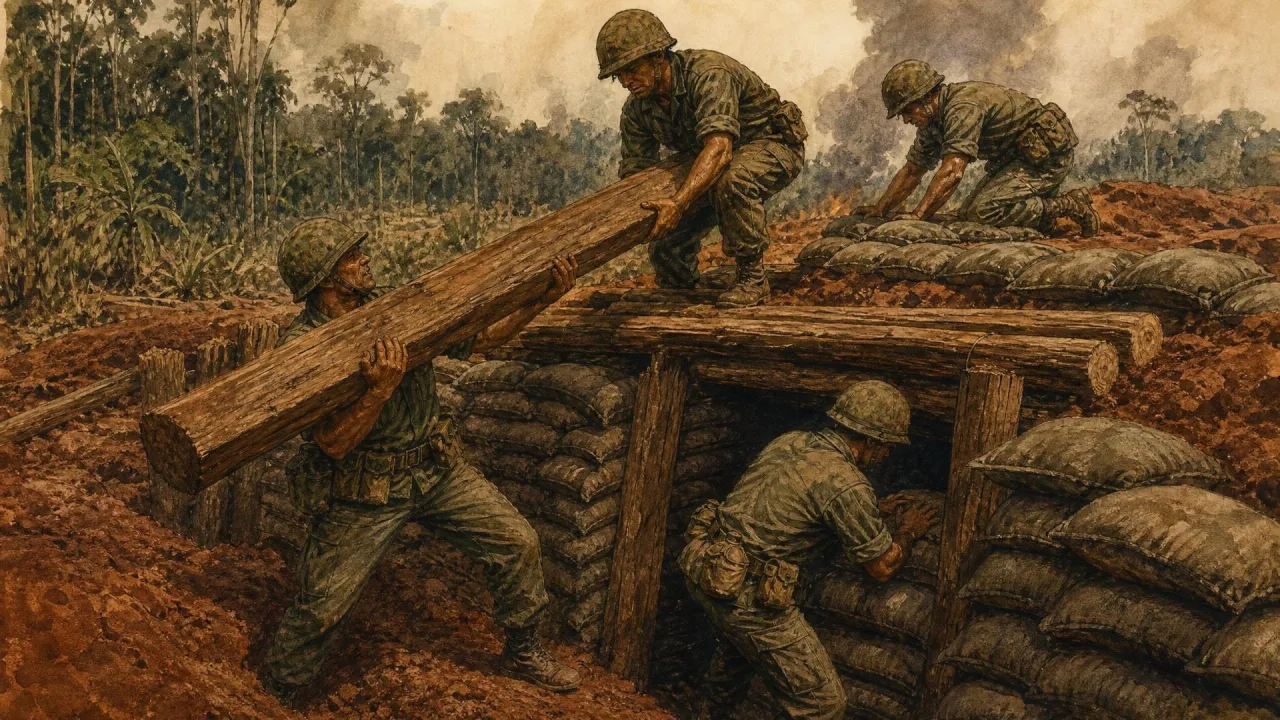
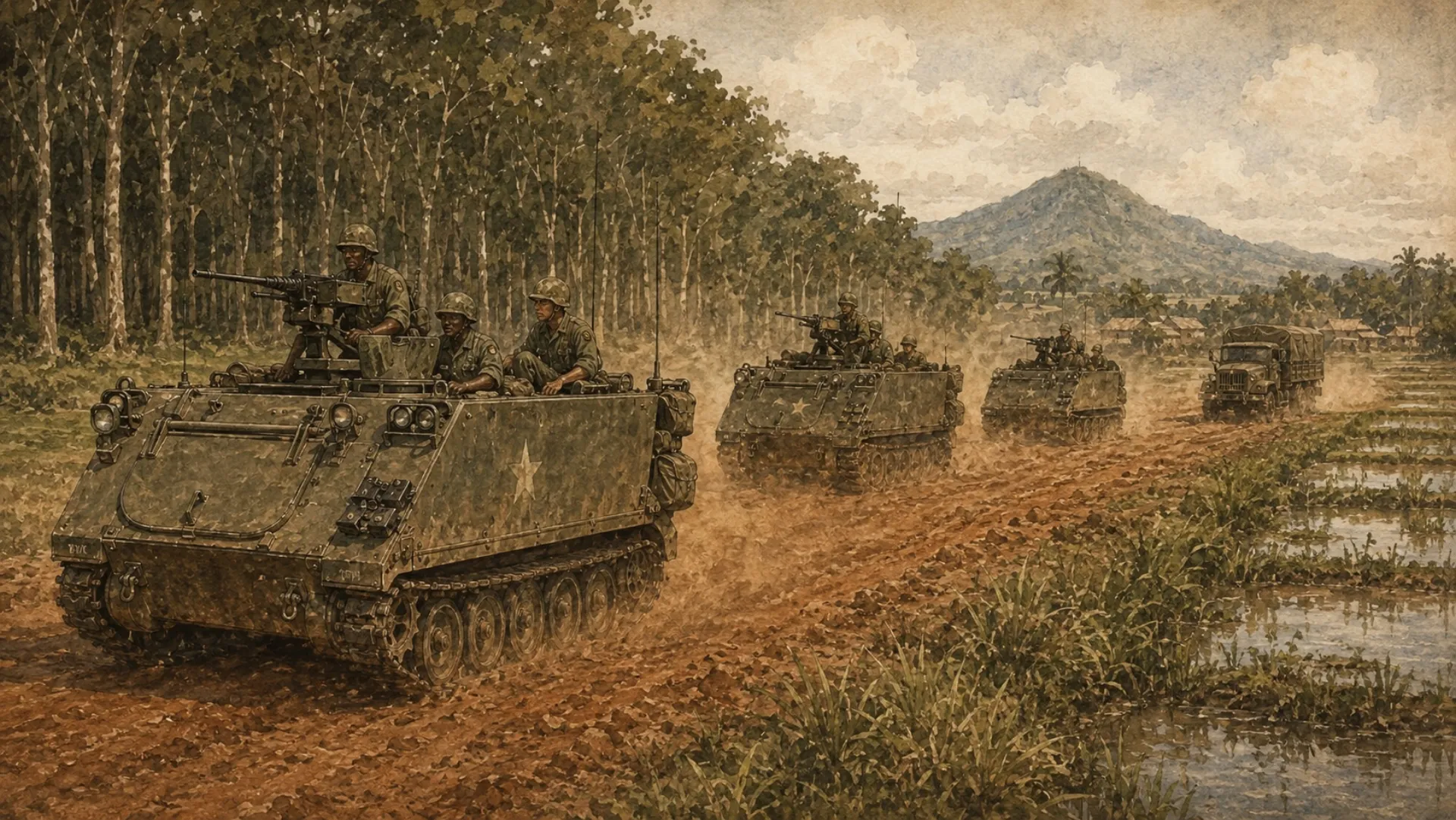
On 1 August 1967 — the day your tour starts — 3rd Brigade formally re-flagged from the 4th Infantry Division to the 25th, “Tropic Lightning.” You arrive as a replacement in exactly that turnover wave. What follows is mechanized search-and-destroy in M113s, rapid reaction, and convoy security on the Dau Tieng–Tay Ninh road.
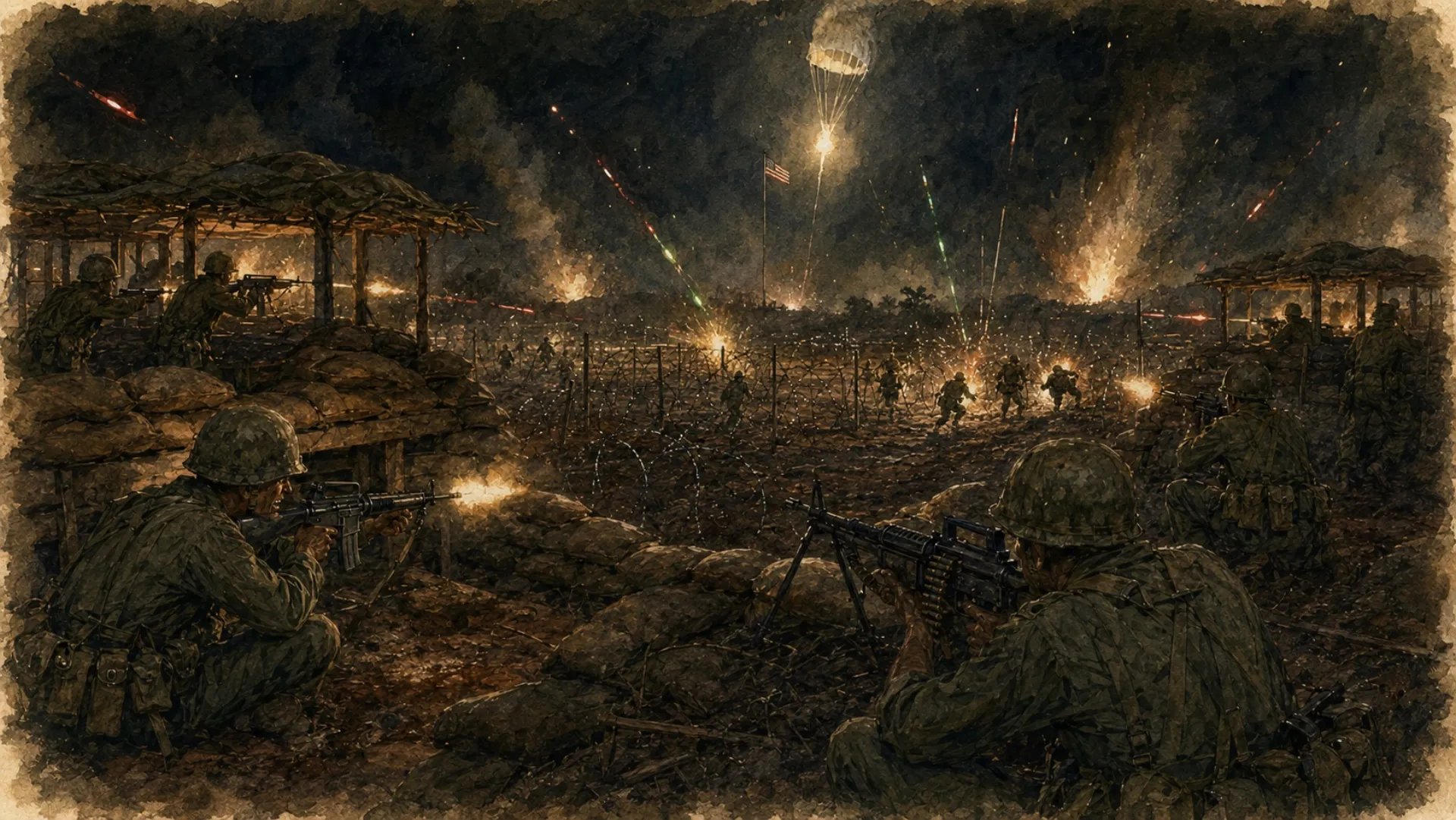
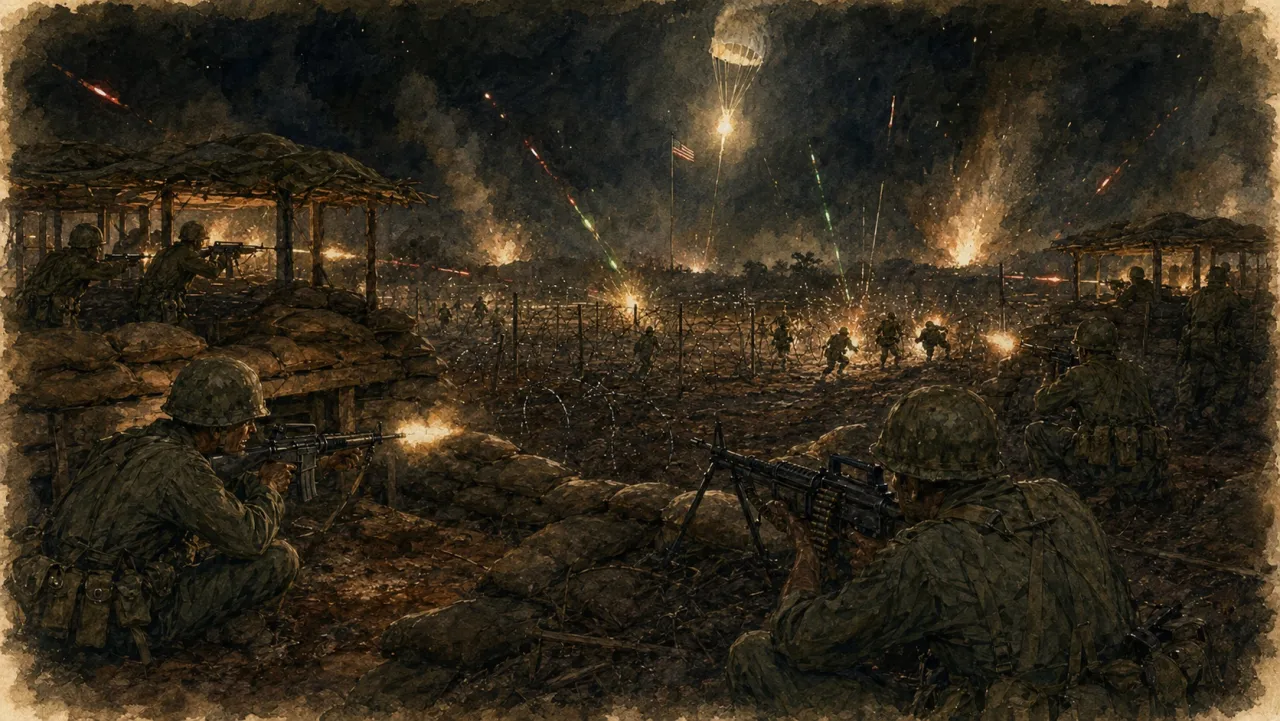
Then New Year’s night at Fire Support Base Burt, where four enemy battalions came at the wire in the open and the tracks fought hull-down until dawn. Then Tet, and street fighting on the western edge of Saigon that looked nothing like the boonies.